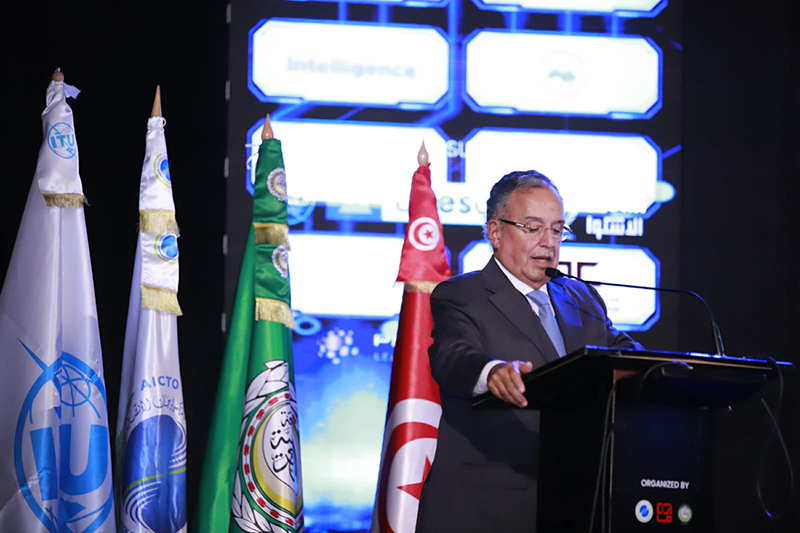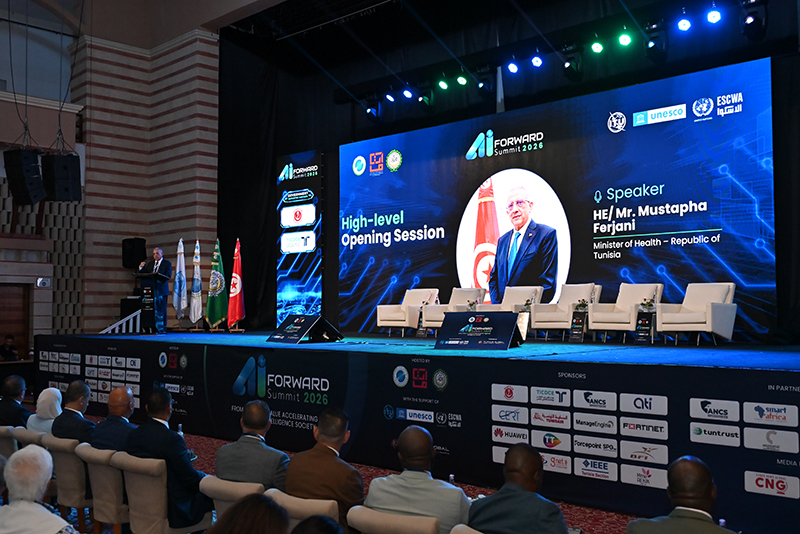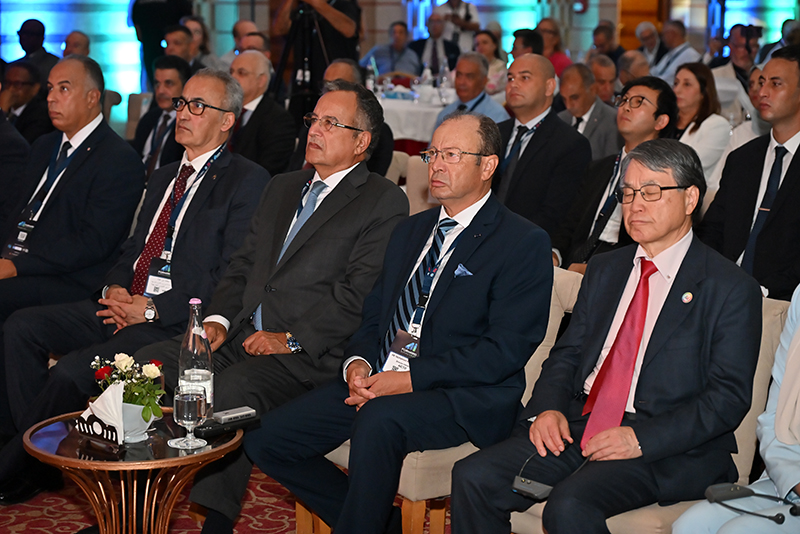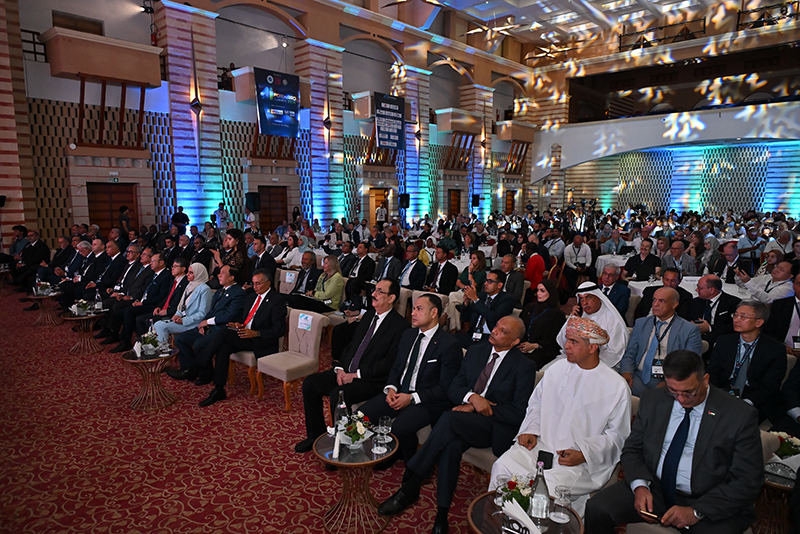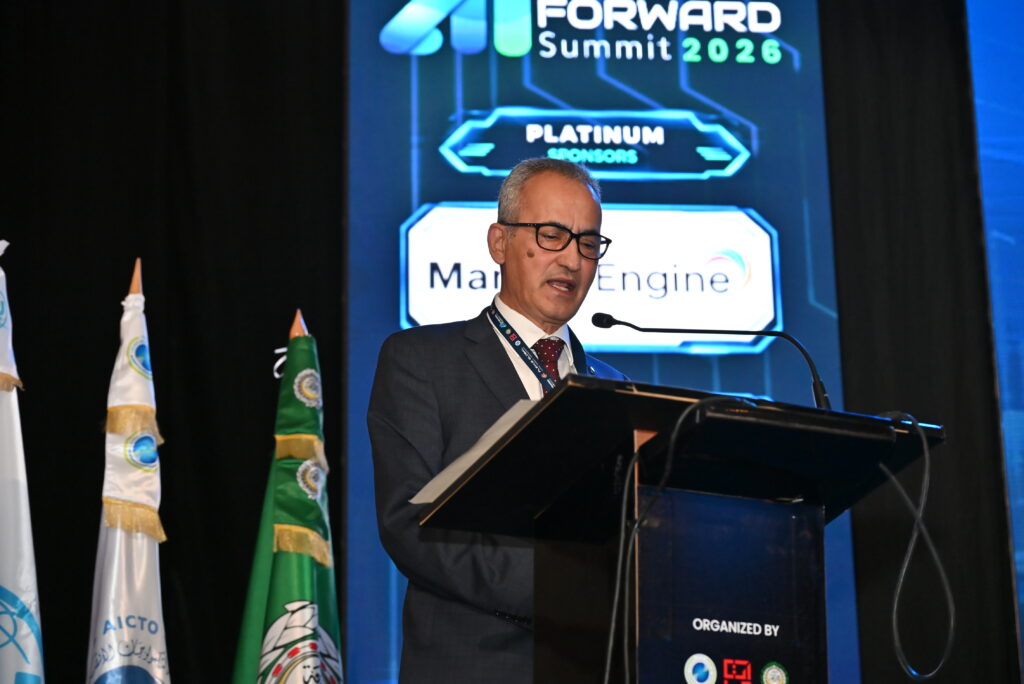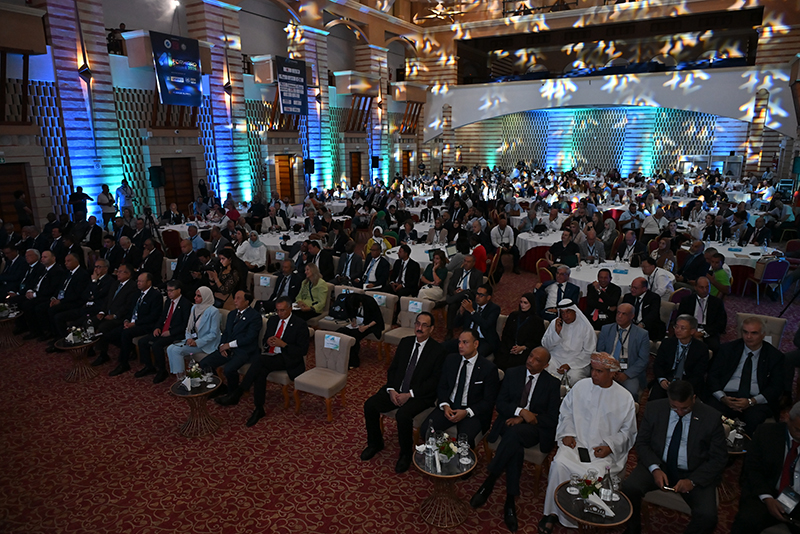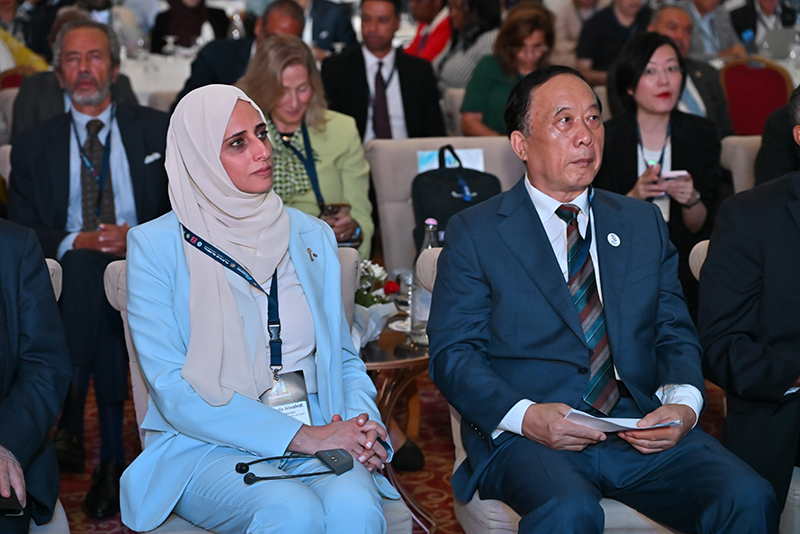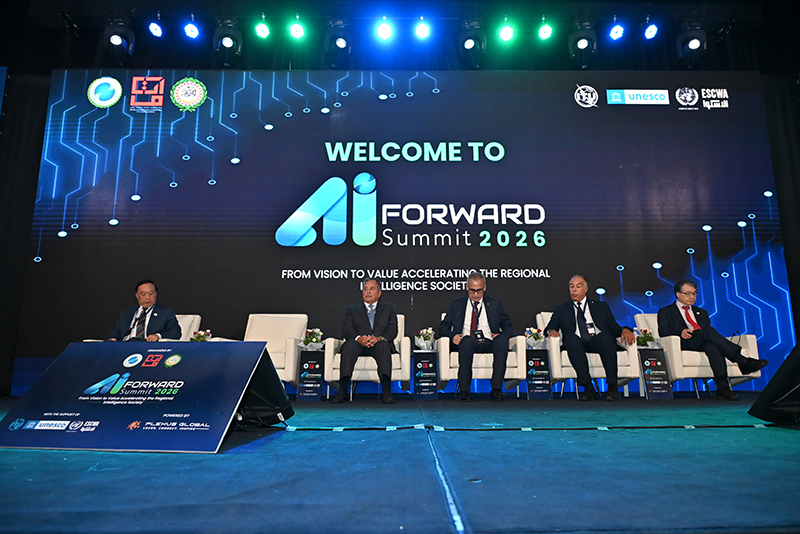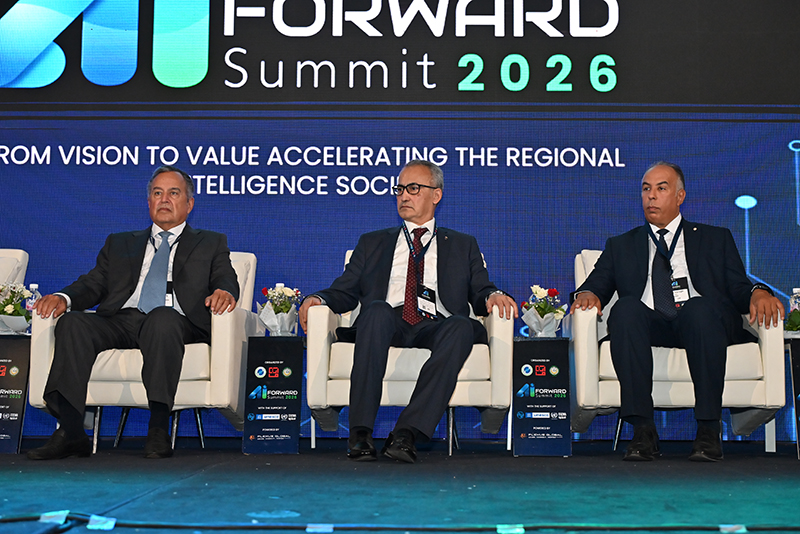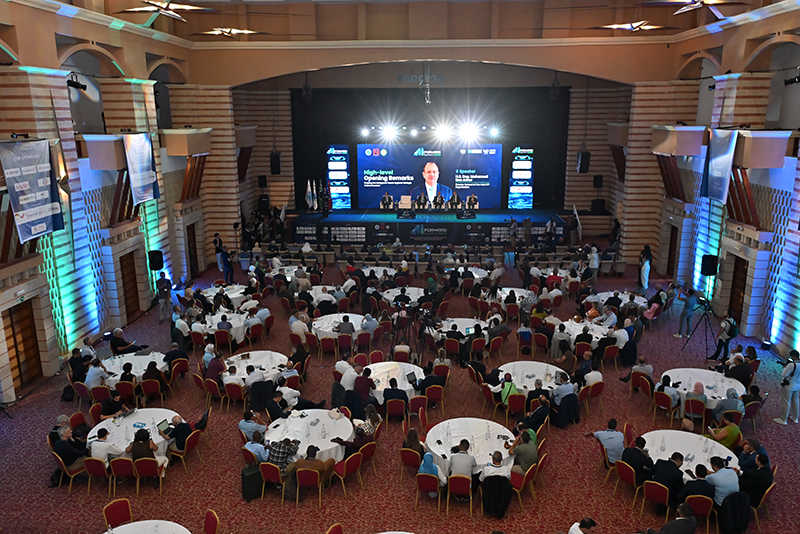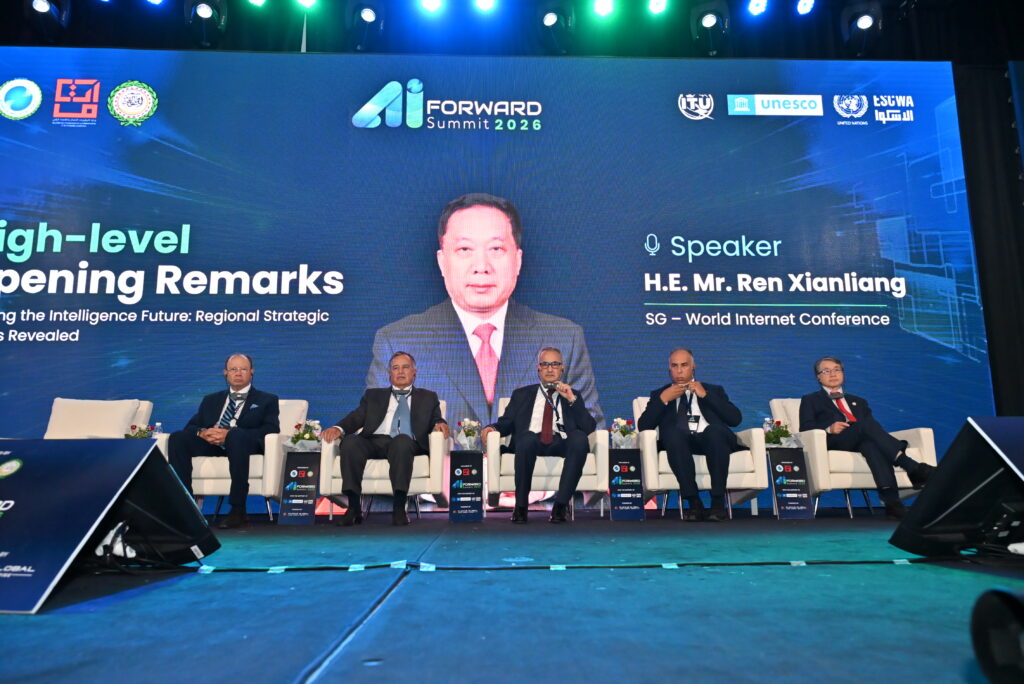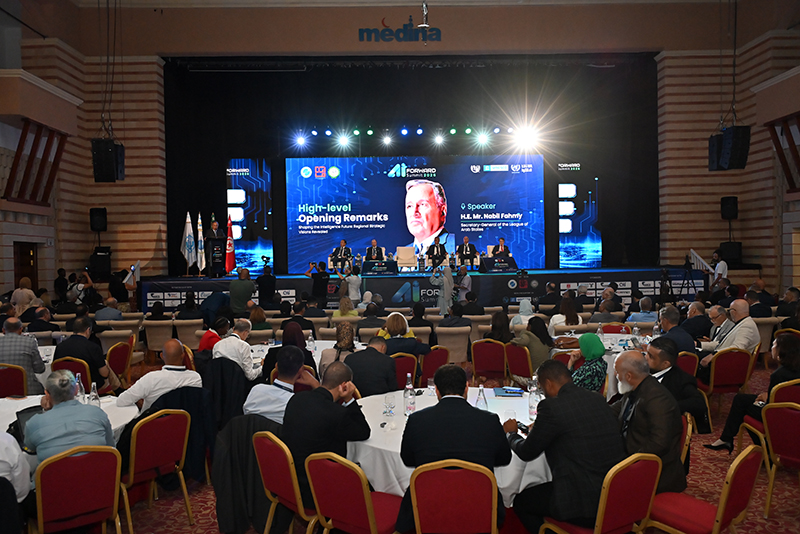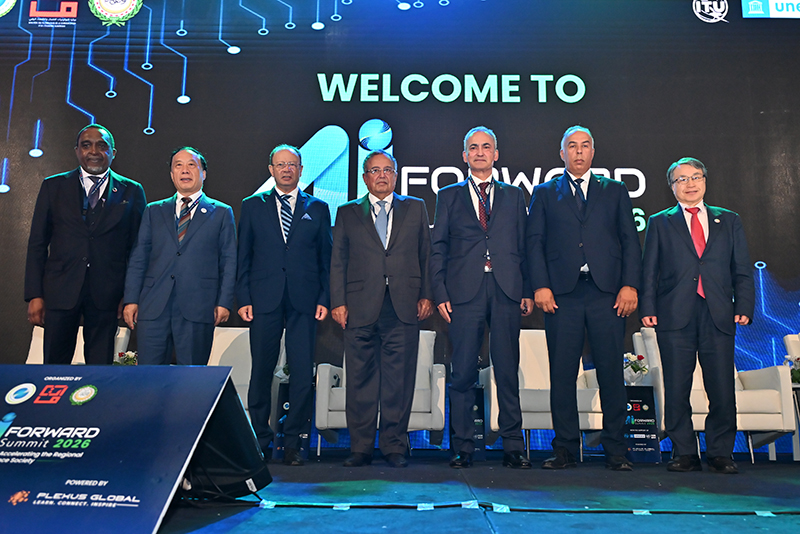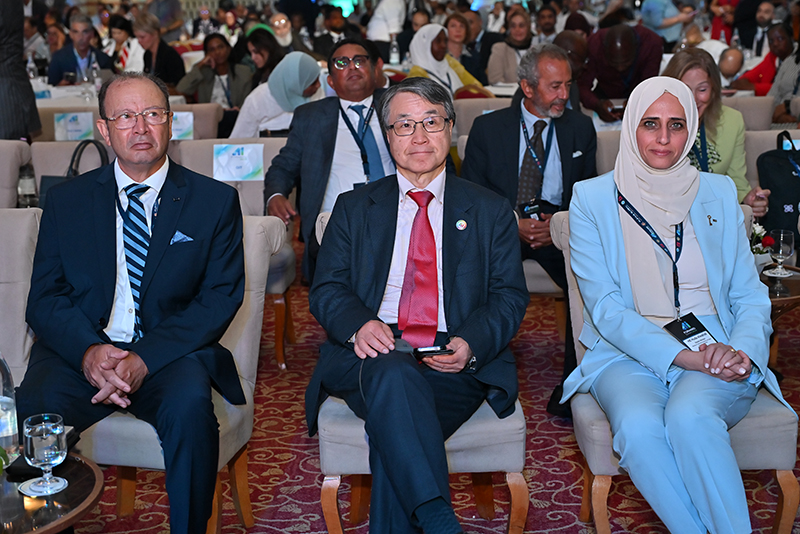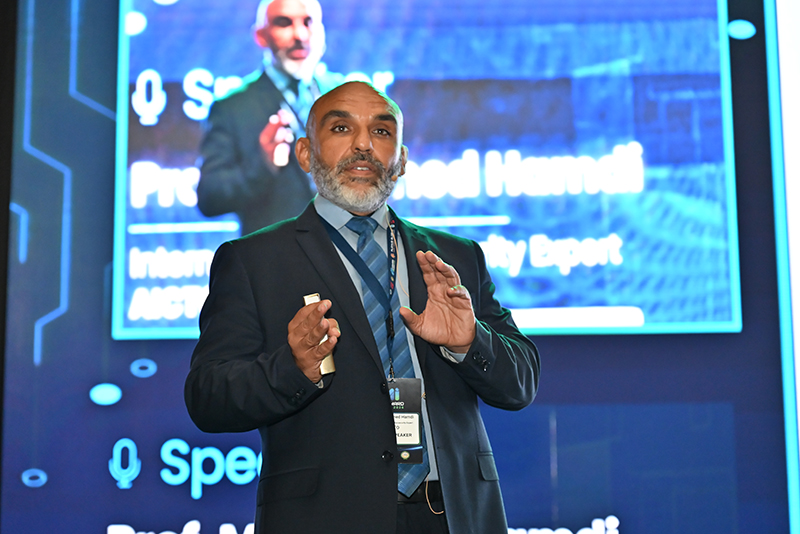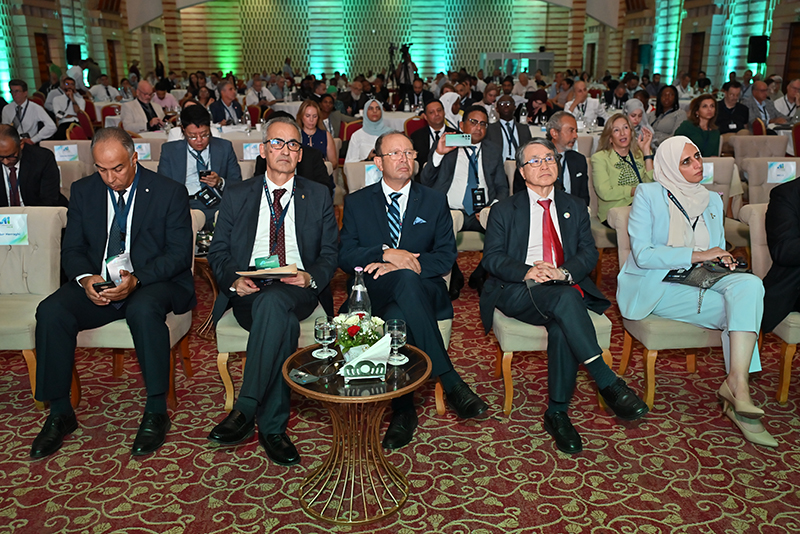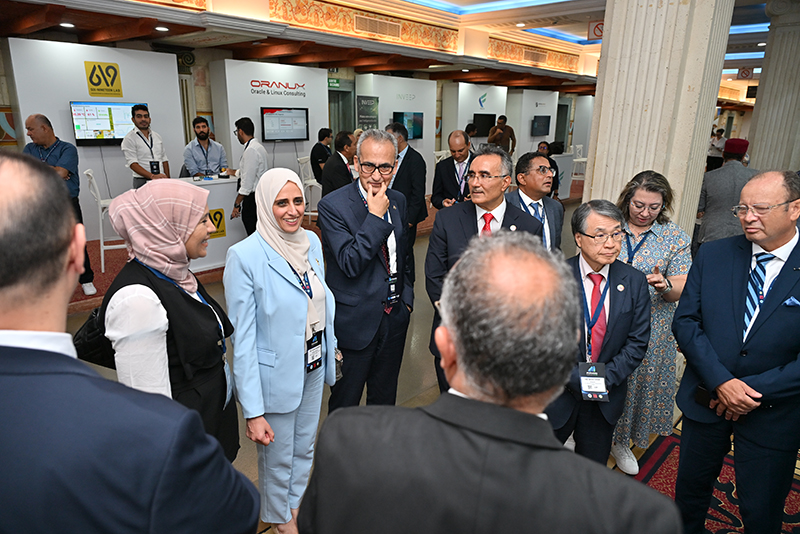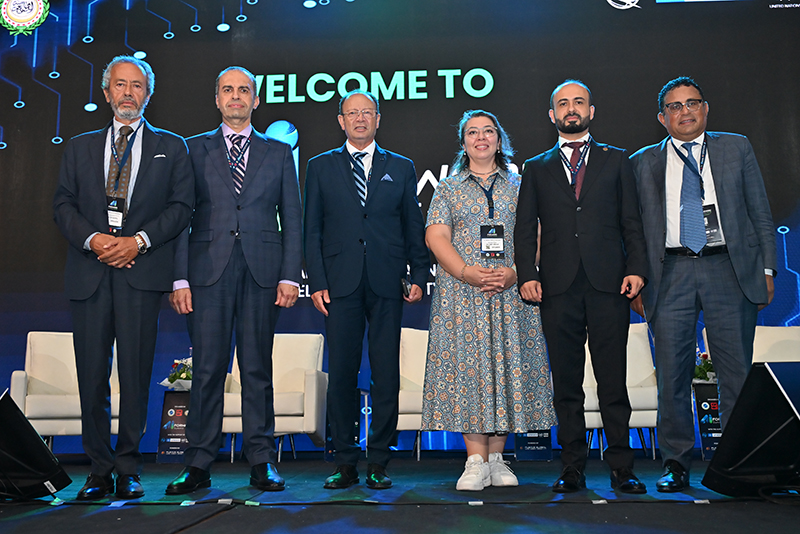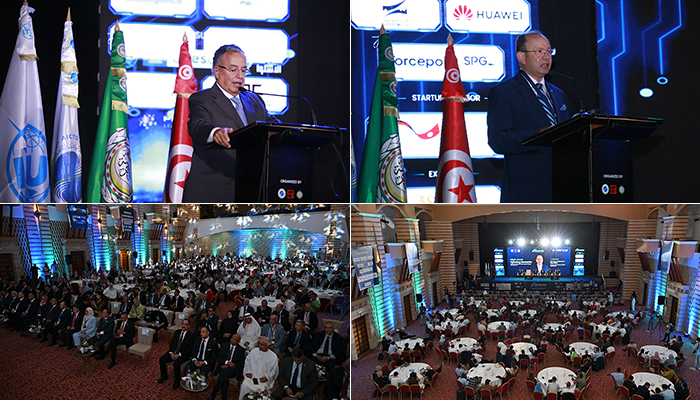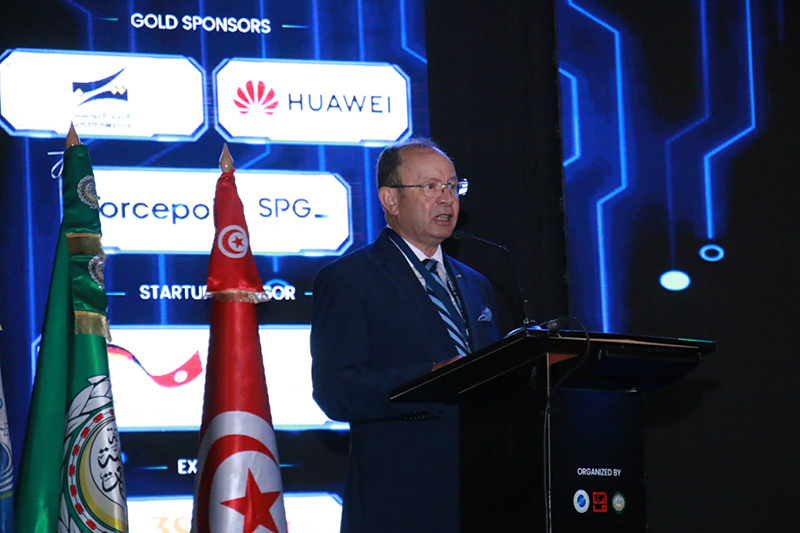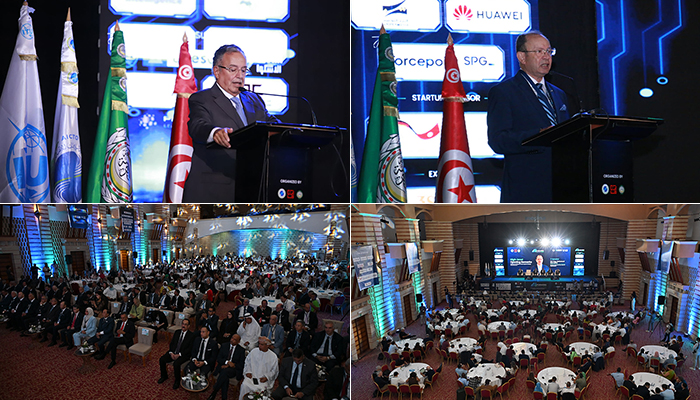
The second edition of the AI-Forward Summit 2026 concluded today, September 10, 2026, in Yasmine Hammamet, Tunisia, following two days of high-level strategic deliberations, preceded by two days of specialized parallel workshops held on September 7–8. Convened under the theme “Shaping the Intelligence Future: From Vision to Value,” the Summit was organized by the Arab Information and Communication Technologies Organization (AICTO), in close collaboration with Tunisia’s Ministry of Communication Technologies, and was held in the presence of the Secretary-General of the League of Arab States. The Summit brought together more than 450 leaders, policymakers, international experts, researchers, and entrepreneurs from across the Arab region, Africa, and beyond, providing an action-oriented platform focused on moving beyond strategic roadmaps and accelerating the implementation of measurable, high-impact AI initiatives.
The proceedings opened with an artistic performance presented by the Tunis International Center for Digital Cultural Economy, followed by official addresses highlighting the rapid socio-economic transformations driven by emerging technologies and the urgent need to build secure, sustainable, and inclusive digital ecosystems.
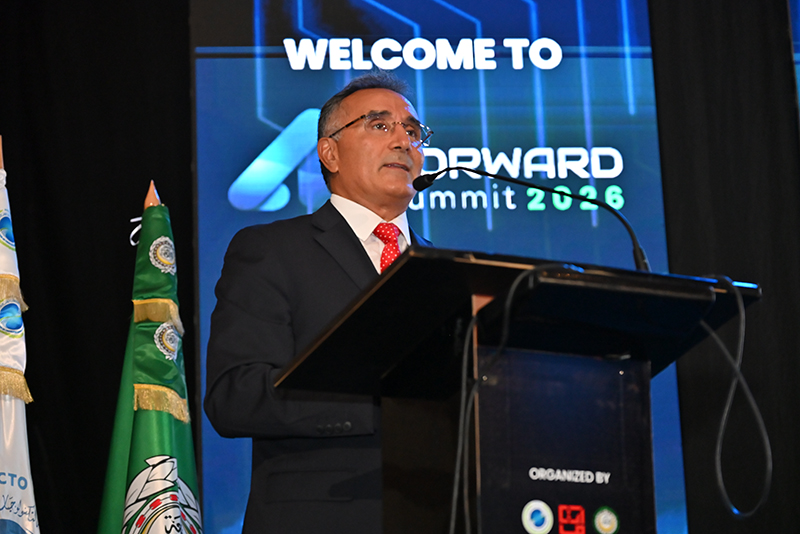
In his welcoming remarks, H.E. Eng. Mohamed Ben Amor, Director General of AICTO, stressed that artificial intelligence is no longer merely an emerging technology, but a transformative force reshaping economies, labour markets, digital sovereignty, and global power dynamics. He emphasized that building an intelligence-driven economy starts with building an intelligence-driven society, calling for greater investment in talent development, youth, women, and critical digital infrastructure. He further underscored the need for resilient governance frameworks that safeguard digital sovereignty while translating technological ambition into tangible economic value through stronger regional cooperation.
Highlighting the diplomatic and human dimensions of technology, H.E. Mr. Mohamed Ben Ayed, Secretary of State to the Minister of Foreign Affairs, Migration and Tunisians Abroad, warned of the growing risk of technological polarization worldwide. He called for equitable and inclusive access to technological progress, emphasizing Tunisia’s commitment to multilateral governance, capacity building, and knowledge transfer, so that developing countries can become creators and standard-setters rather than mere technology consumers. He also stressed the importance of preserving linguistic and cultural diversity, calling for stronger representation of the Arabic language in AI models and emphasizing that artificial intelligence must ultimately serve humanity as a tool for equity, development, and peace.
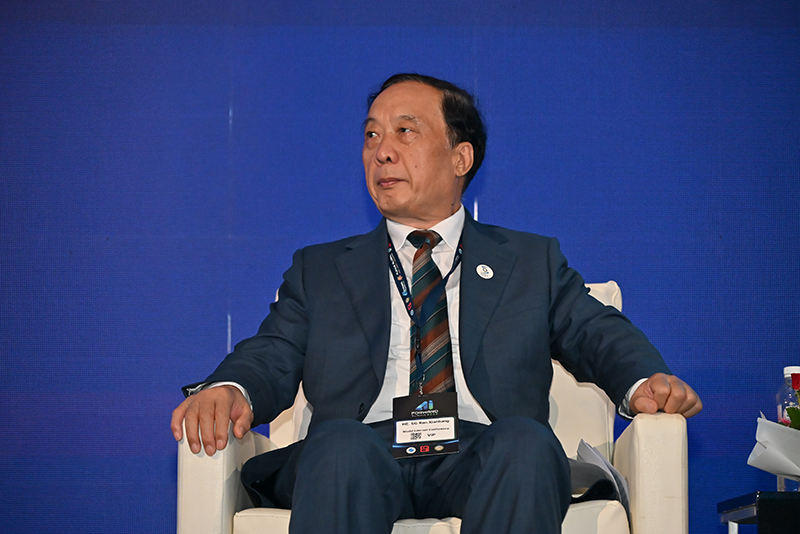
Addressing the role of emerging technologies as a catalyst for collective action, H.E. Mr. Ren Xianliang, Secretary-General of the World Internet Conference, commended the Summit’s focus on human-centric AI and on bridging the digital divide. He highlighted the importance of strengthening institutional cooperation between China, the Arab region, and international partners, particularly in the areas of digital infrastructure, digital health, and digital governance.
The Summit was opened by H.E. Mr. Nabil Fahmy, Secretary-General of the League of Arab States, marking his first official engagement outside Egypt since assuming office. His participation underscored the League’s commitment to advancing AI and ICT as key drivers of development and Arab cooperation.
In his address, H.E. the Secretary-General stressed the need to move beyond simply using AI towards actively contributing to its development and shaping its standards. He emphasized the importance of investing in the region’s talent, infrastructure, data, and computing capabilities, while safeguarding sovereignty and independent decision-making. He also highlighted the need to strike a balance between innovation, responsible governance, and the protection of rights, privacy, and cultural heritage. He reaffirmed the League’s commitment to translating the Arab Strategy for Artificial Intelligence and the Arab Charter on AI Ethics into tangible outcomes, with the ambition of moving from vision to implementation.
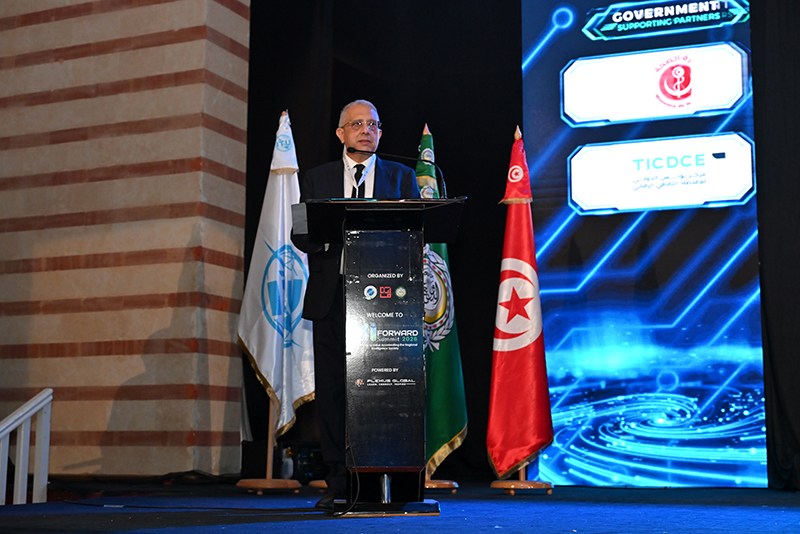
Delivering an address on behalf of Tunisia’s Minister of Communication Technologies, H.E. Mr. Haider El-Hraghi, CEO of the Center for Telecommunication Studies and Research, described artificial intelligence as a strategic pillar of national security and sustainable development, requiring active digital diplomacy and greater regulatory convergence across borders. He called on international partners to move towards concrete and measurable outcomes through coordinated public-private partnerships, expanded computing capacity, and targeted support for local startups.
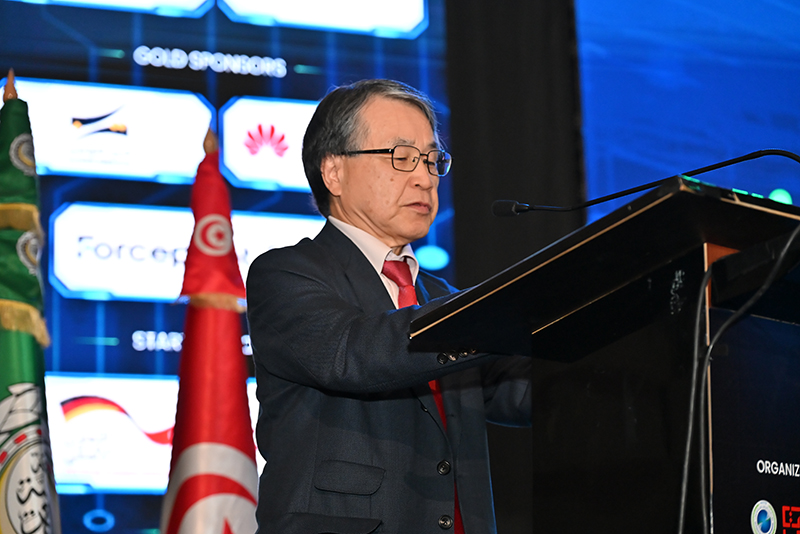
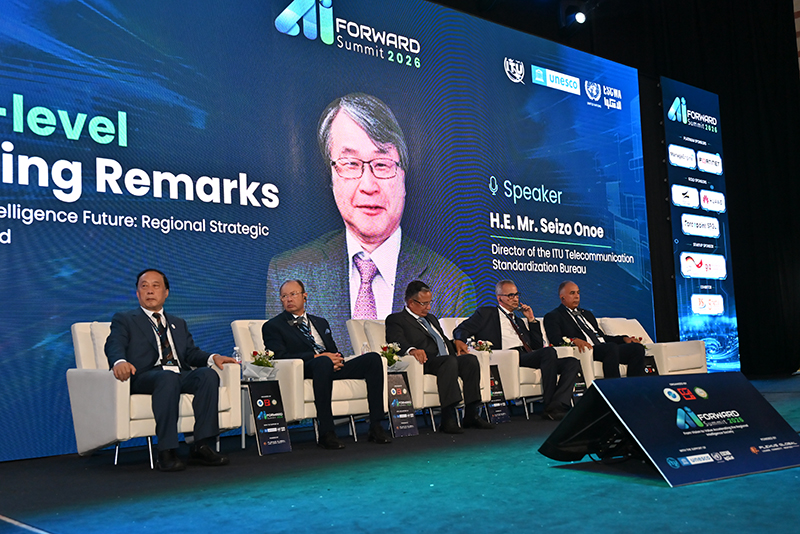
Speaking on behalf of the International Telecommunication Union (ITU), Mr. Seizo Onoe, Director of the Telecommunication Standardization Bureau, emphasized that no country can independently sustain the entire artificial intelligence value chain. Warning against fragmented national approaches, he advocated for open and interoperable standards and highlighted the potential of AI to address global challenges in areas including healthcare, food systems, and disaster management. He also announced the rollout of the ITU’s new AI for Good Lab, aimed at providing public infrastructure and practical guidance to support the responsible development and deployment of AI.
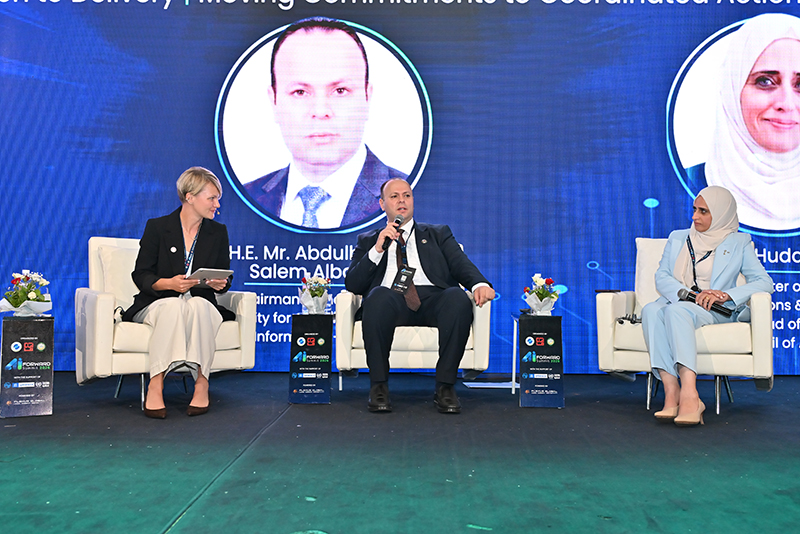
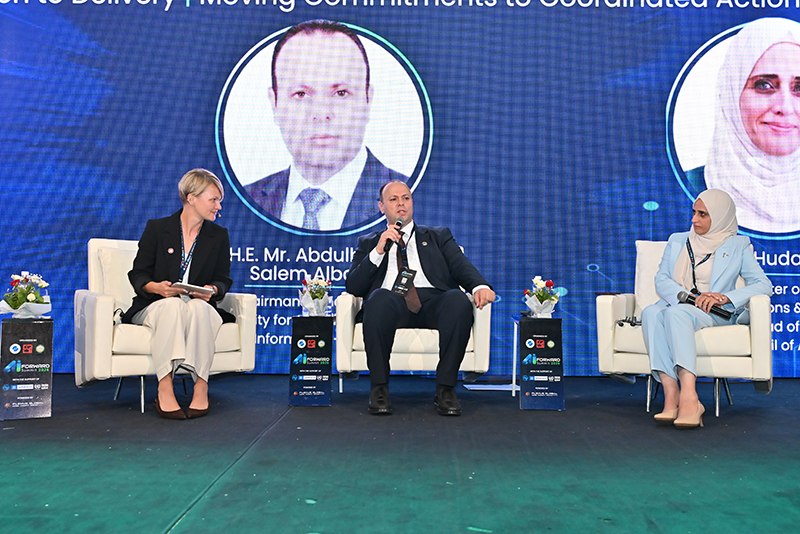
These themes translated into high-level policy dialogue during a dedicated leaders’ session titled “From Declaration to Implementation: Transforming Commitments into Coordinated Action,” featuring HE. Eng. Abdulbaset Al-Baour, Chairman of Libya’s General Authority of Telecommunications and Informatics, and HE. Dr. Huda Al-Wahidi, Deputy Minister of Telecom and Digital Economy in Palestine and Chairperson of AICTO’s Executive Board, moderated by Maryna Veuthey of RealTyme SA. Deliberations across the summit tackled core priorities established since the 2025 Tunis Declaration, addressing sovereign infrastructure, cloud compute, cyber defense resilience, and the regulatory challenges posed by evolving digital threats.
The summit marked the operational rollout of several major regional mechanisms, most notably the AI-MUSTAQBAL Readiness Index, conceived as an objective benchmark to measure artificial intelligence maturity and national readiness across the Arab ecosystem. Complementing this institutional milestone was the launch of the AWAIL Alliance, a dedicated regional network designed to connect female innovators and elevate women into leadership roles across deep-tech industries.
Healthcare took center stage during the second day’s dedicated track, “E-Health — Intelligent Health for a Healthier Future,” opened by HE. Dr. Mustapha Ferjani, Tunisia’s Minister of Health. Dr. Ferjani outlined national efforts to deploy smart medical records, safeguard sovereign health data, and expand telemedicine to balance regional disparities, which culminated in an interactive, real-time crisis simulation demonstrating the predictive role of algorithms during biological and epidemiological emergencies.
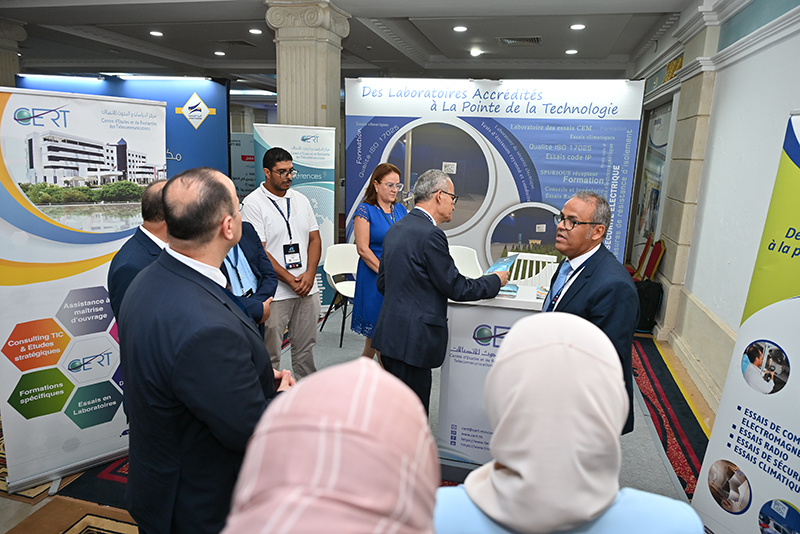
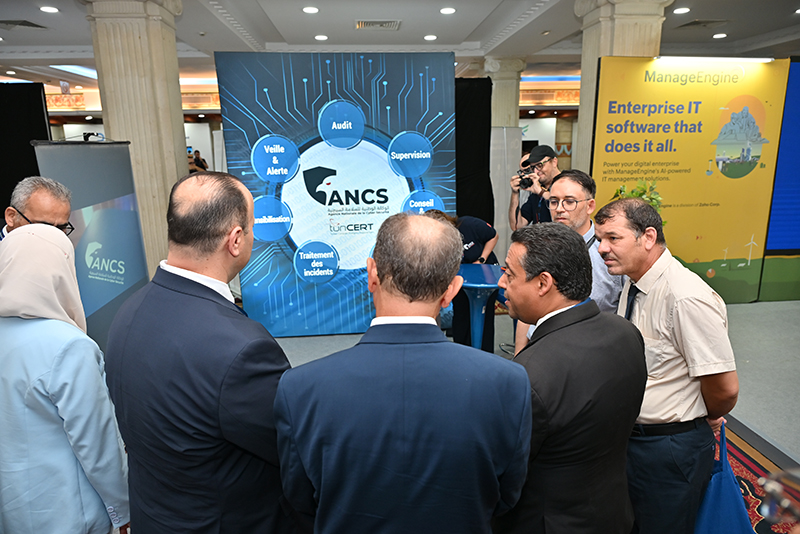
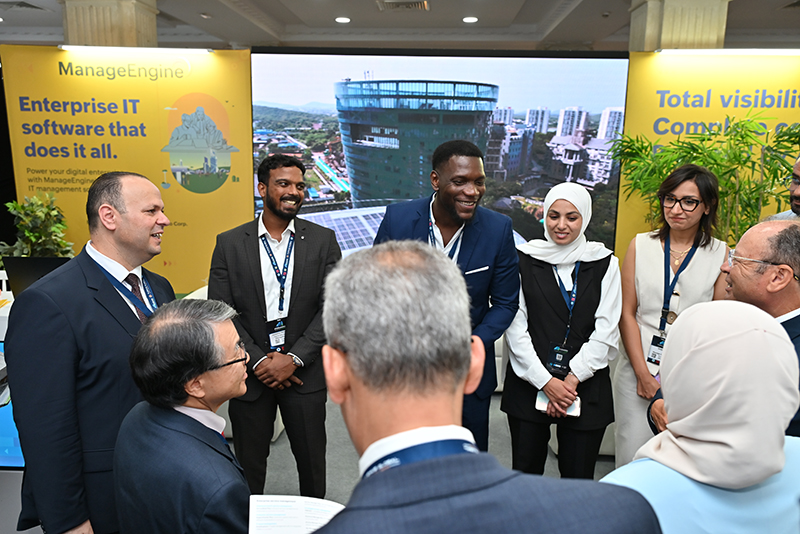
Addressing commercialization and financial sustainability, the summit hosted the Regional AI Investment Forum, bridging gaps between sovereign funds, commercial investors, tech founders, and multilateral institutions to scale viable innovations into regional growth engines. Parallel sessions examined sector-specific applications in agriculture, cultural heritage preservation, and multi-generational digital adoption. The main summit was preceded on September 7 and 8 by extensive technical workshops, including the Internet Governance School, an AI governance program with Smart Africa, cross-border privacy sessions with the Council of Europe, and an ESCWA-AICTO workshop on Agentic AI and regional sovereignty, accompanied by an innovation showcase and a Startup Village supported by GIZ and the Caisse des Dépôts et Consignations.
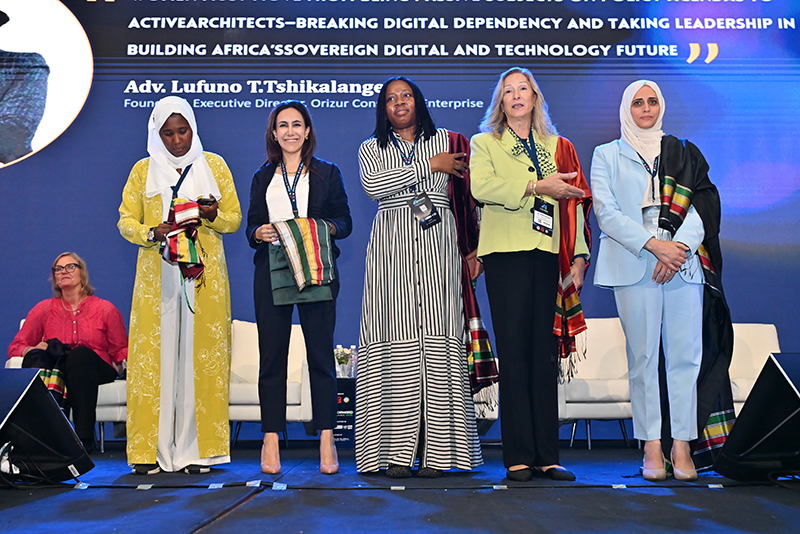
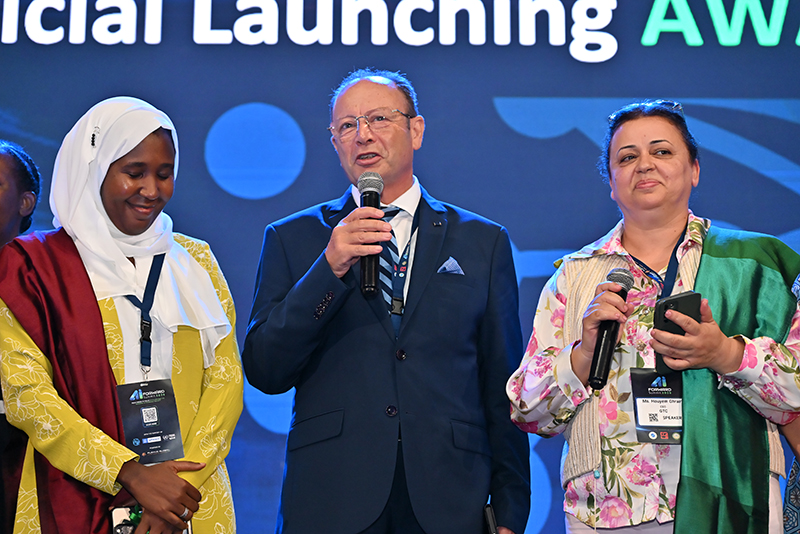
The summit culminated in the formal adoption of the “AI4ALL Declaration,” a unifying multilateral charter calling for shared responsibility, digital trust, and equitable technological progress that directly advances human well-being. The ceremony concluded with the presentation of the AI-Forward 2026 Awards, recognizing pioneering regional initiatives that demonstrate responsible and impactful technological excellence. In its closing evaluation, the Arab Information and Communication Technologies Organization reaffirmed its dedication to working alongside regional governments, international bodies, and academic partners to steer the trajectory of artificial intelligence toward measurable development, lasting sovereignty, and shared prosperity.