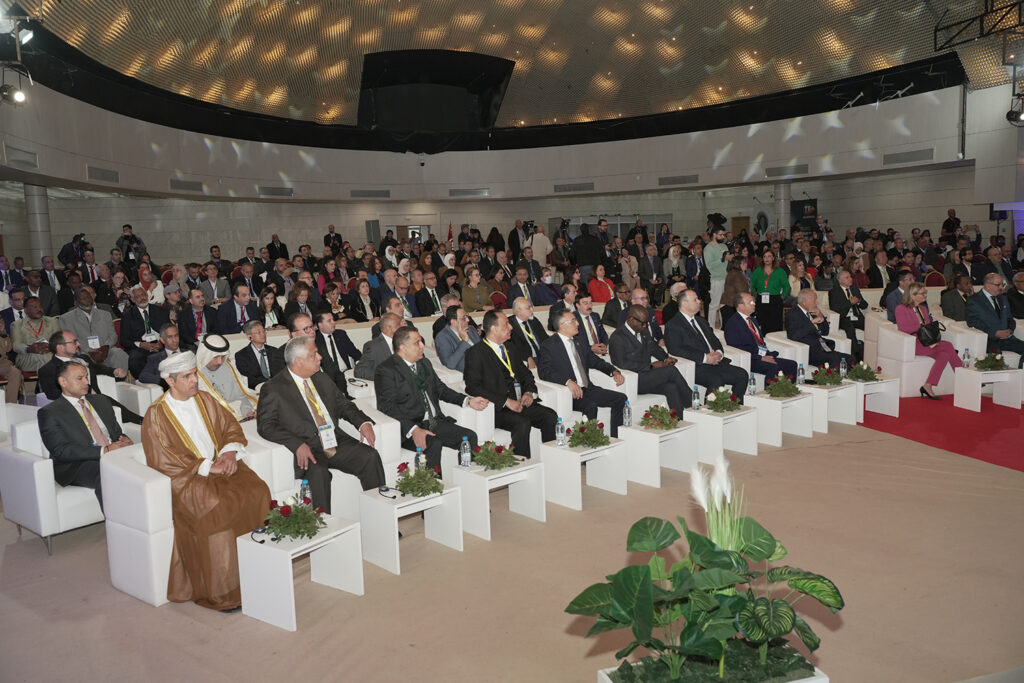
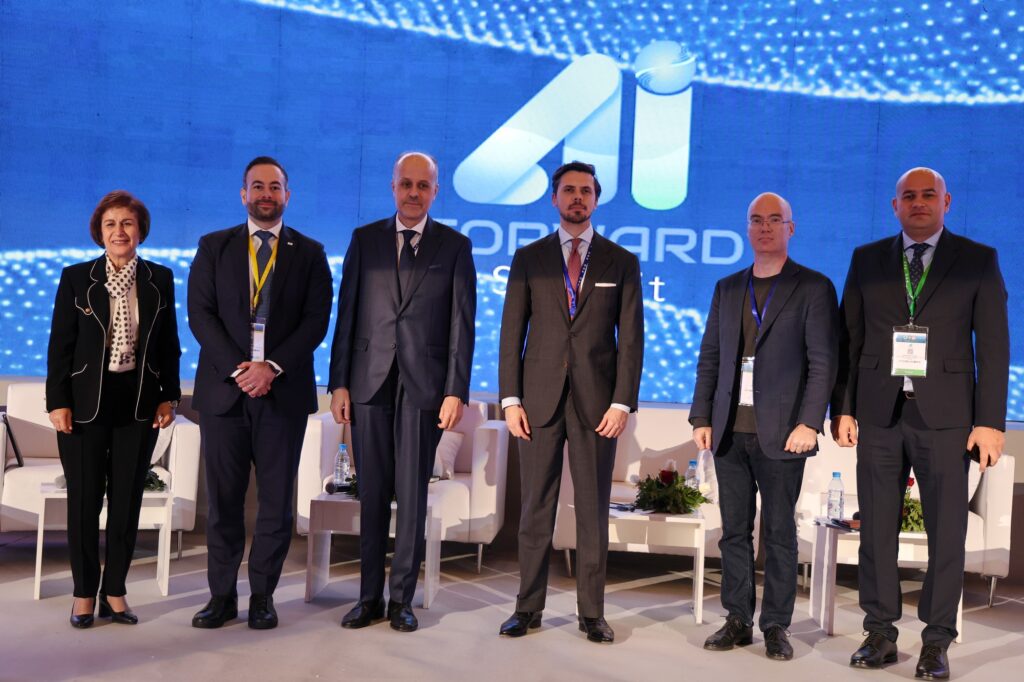
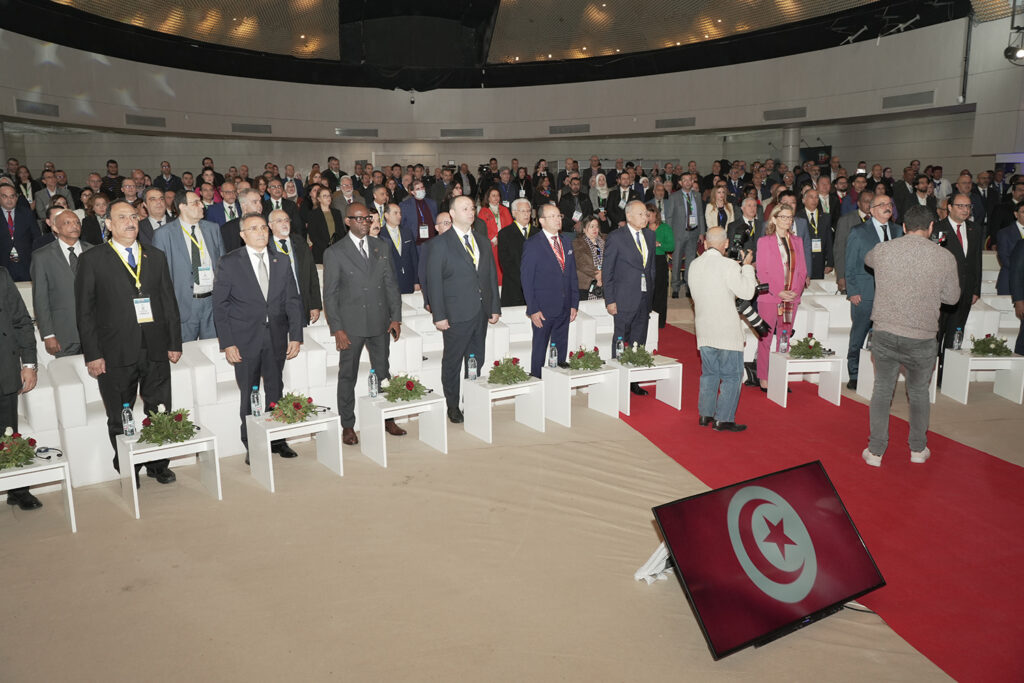
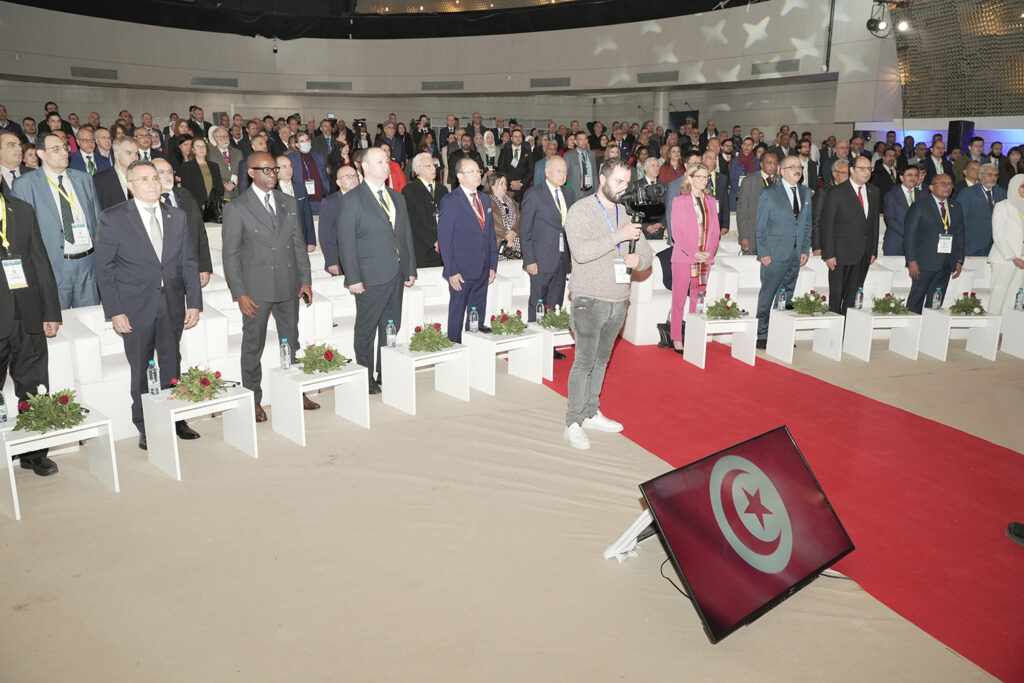
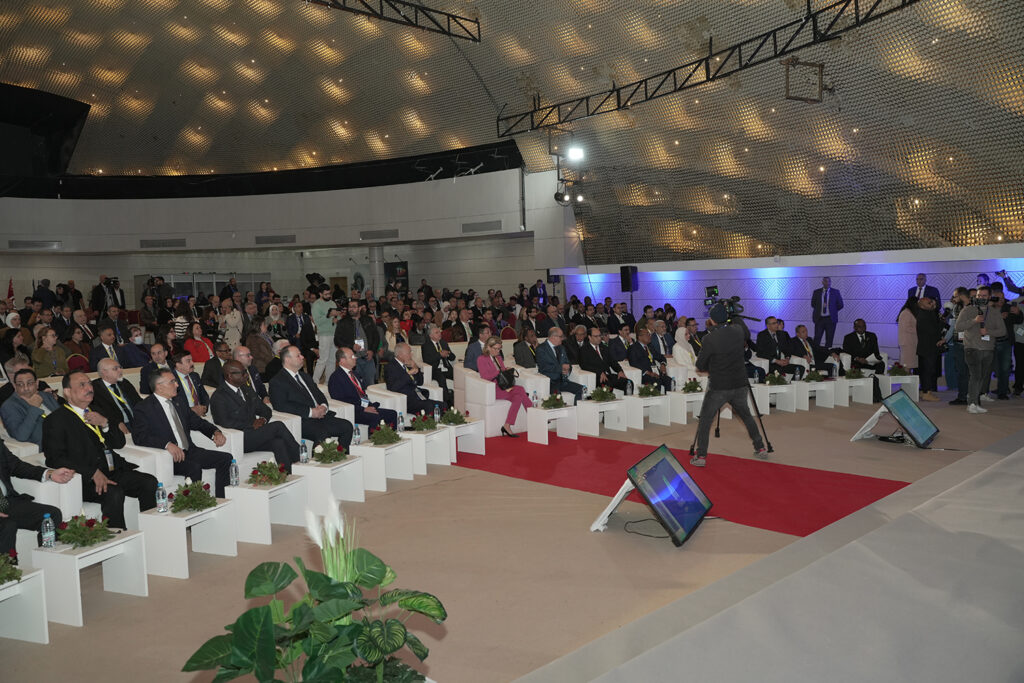
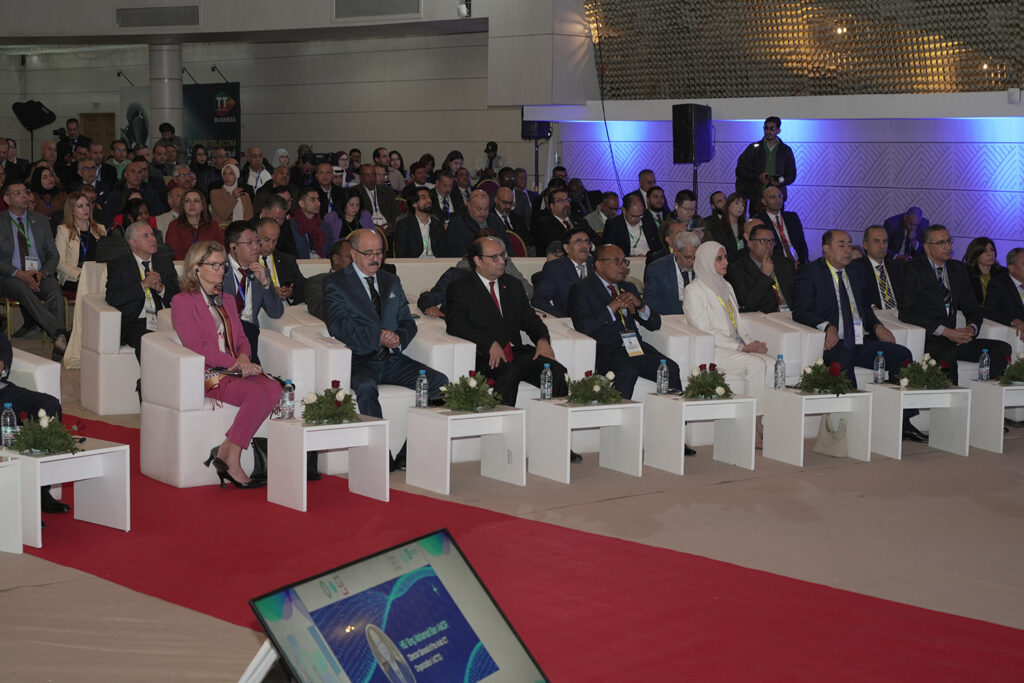
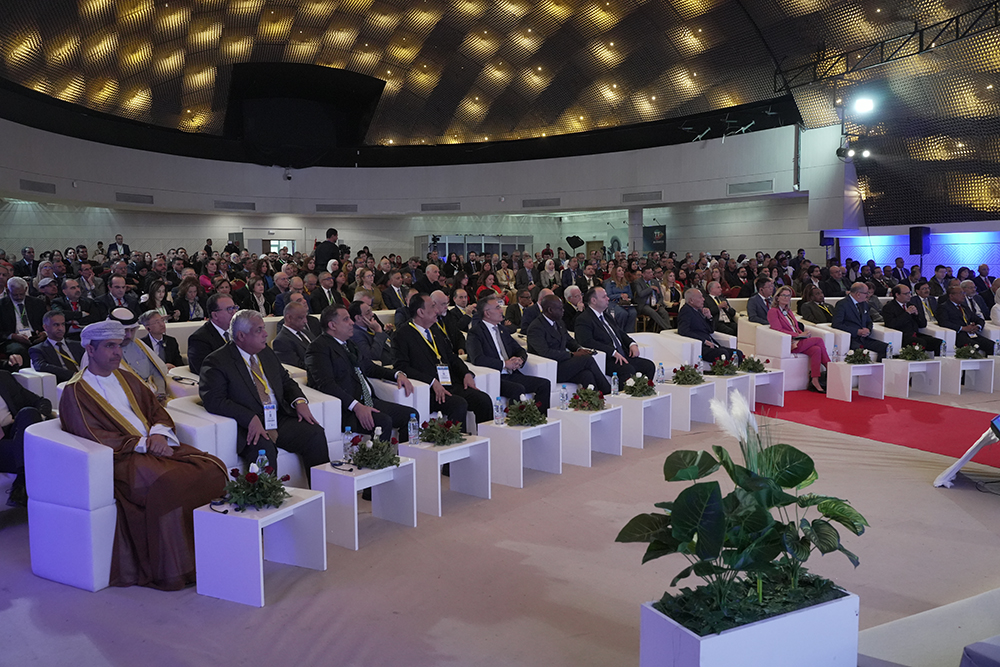
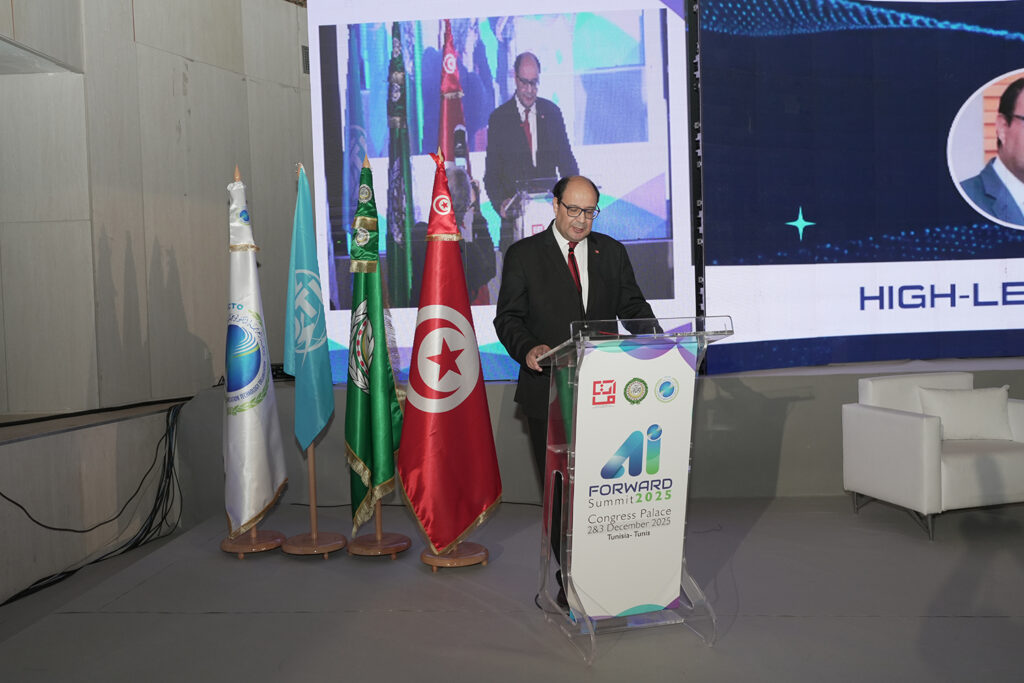
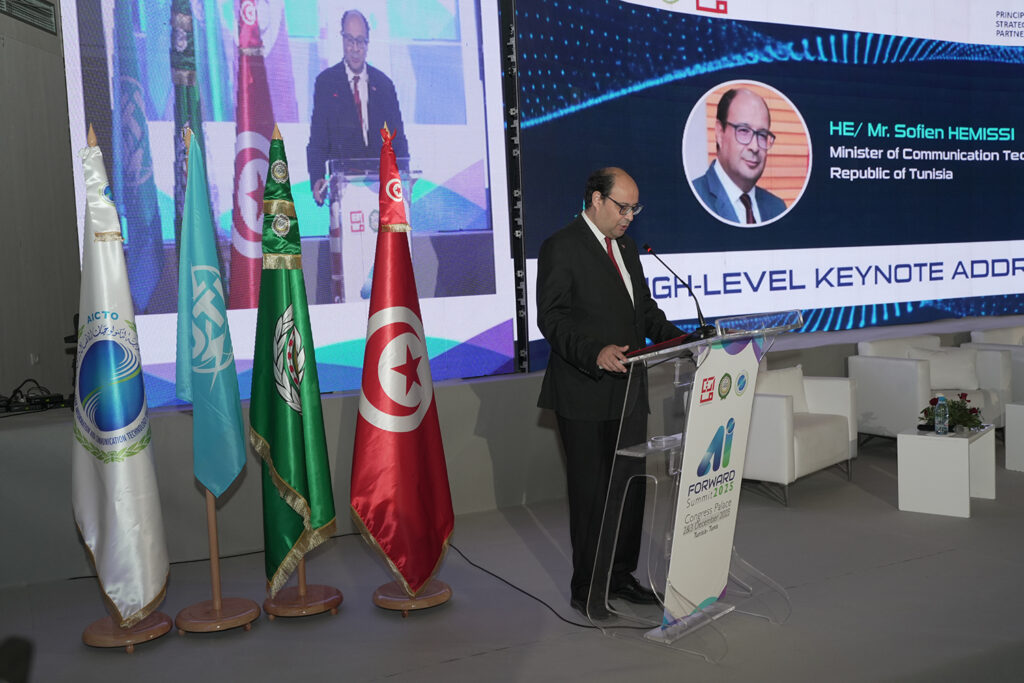
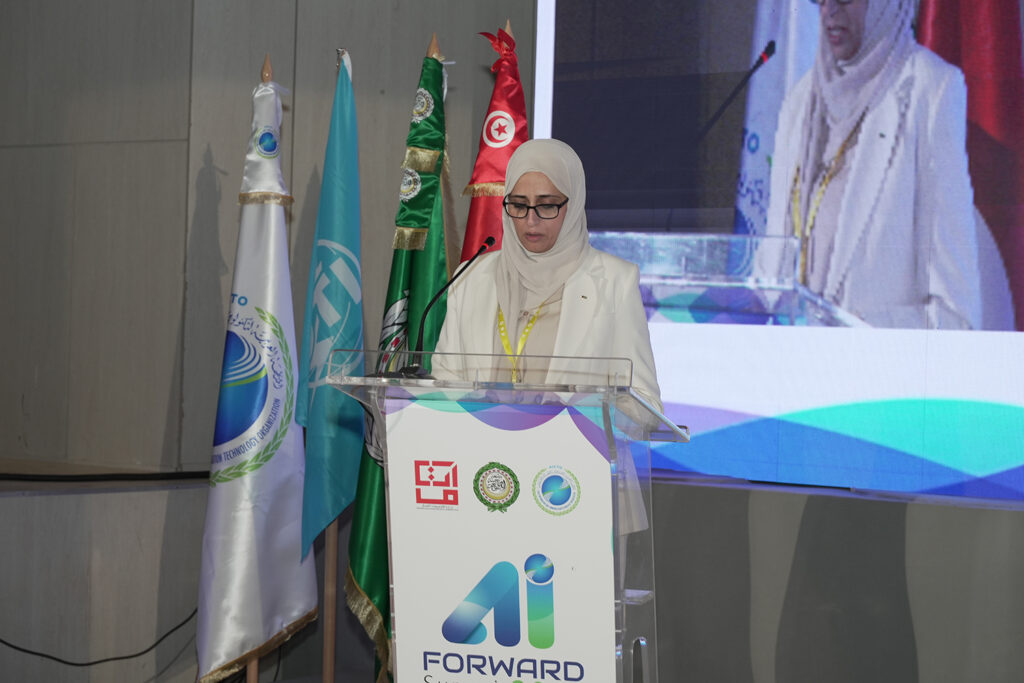
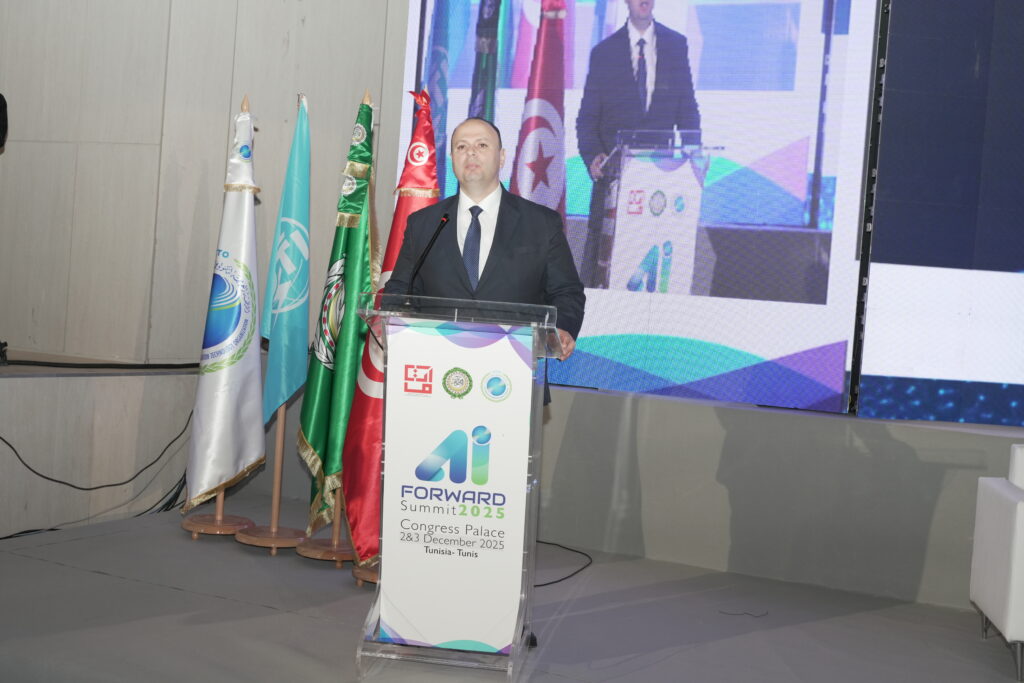
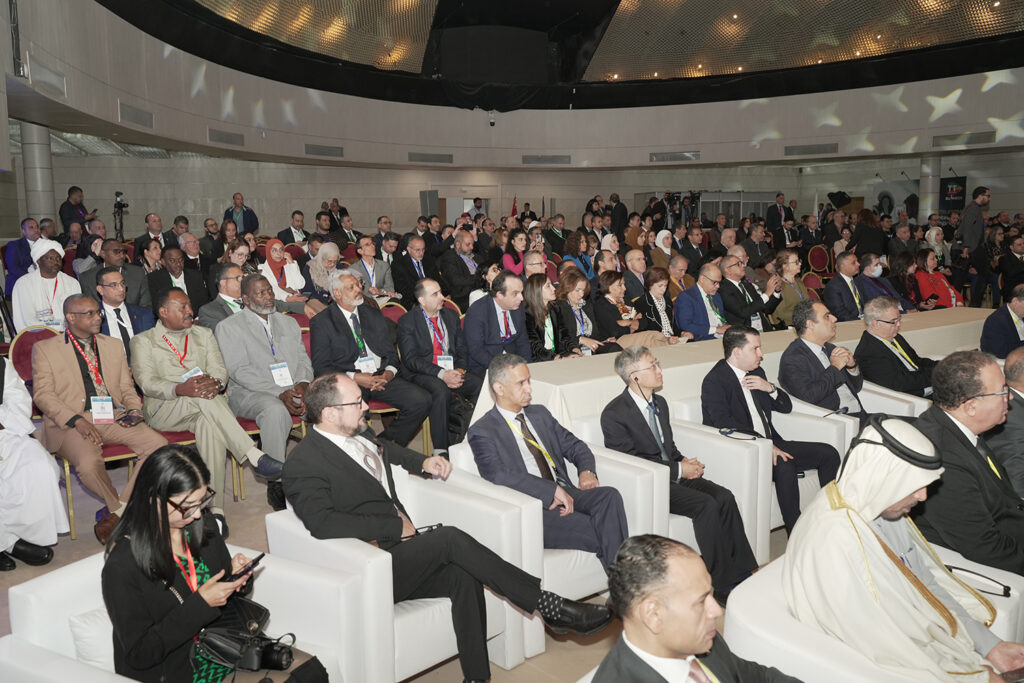
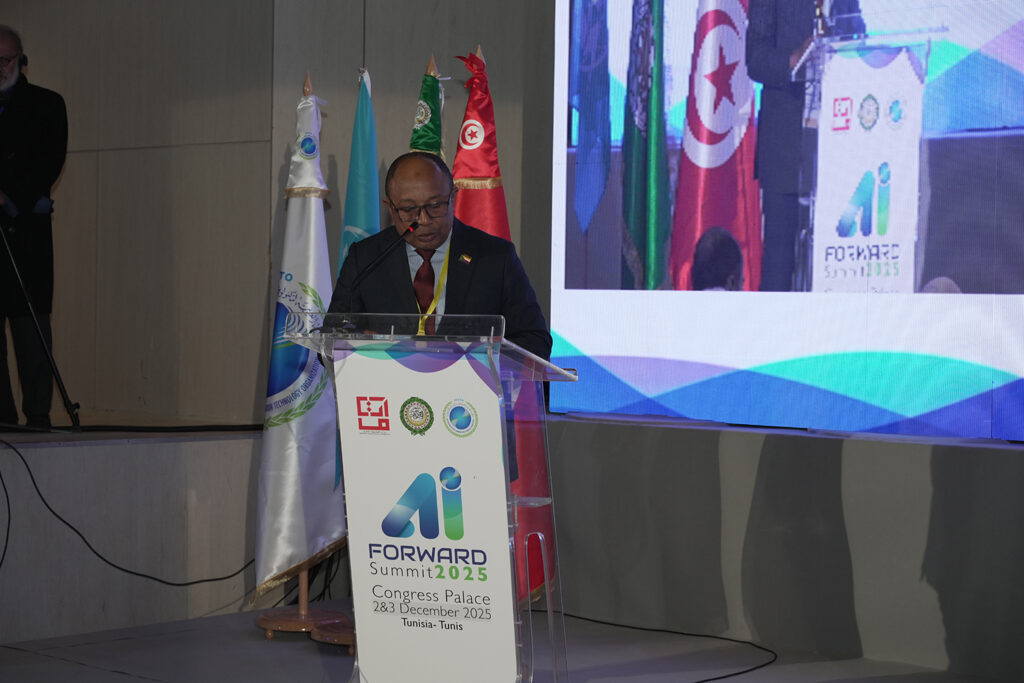
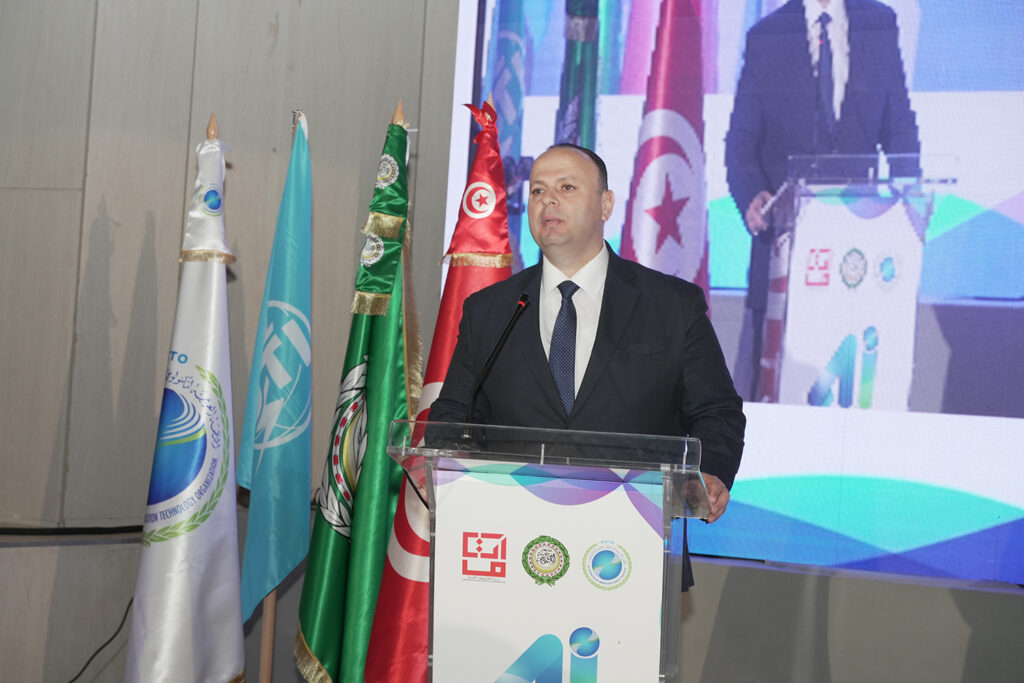
The Arab ICT Organization (AICTO), in cooperation and partnership with the Ministry of Communication Technologies of the Republic of Tunisia, organized the “AI-Forward Summit 2025” from 30 November to 3 December 2025 at the Palais des Congrès in Tunis.
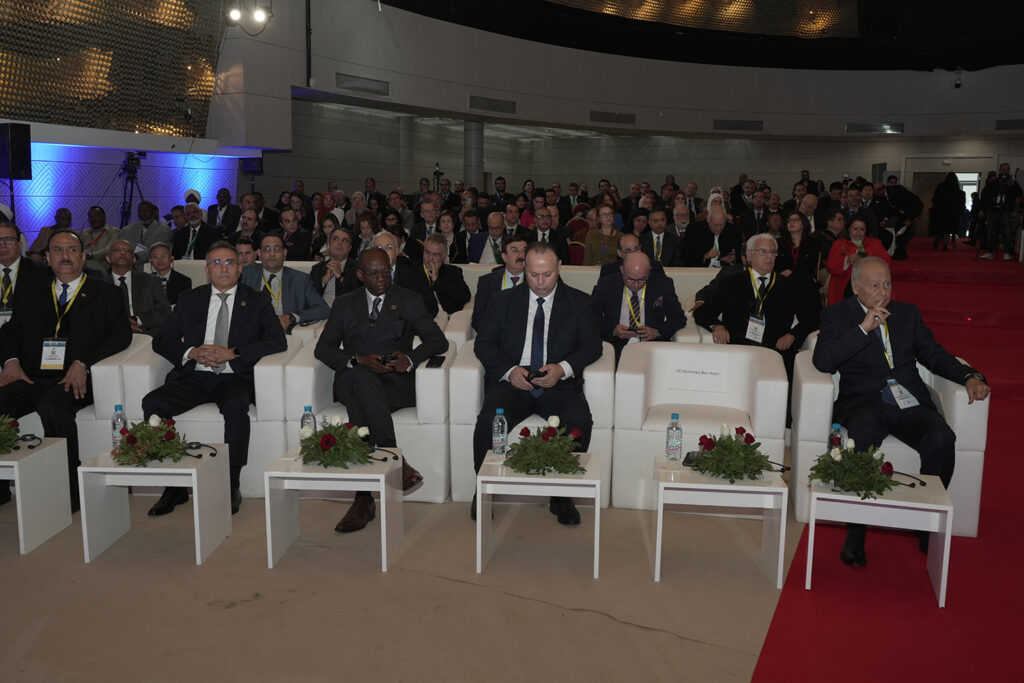
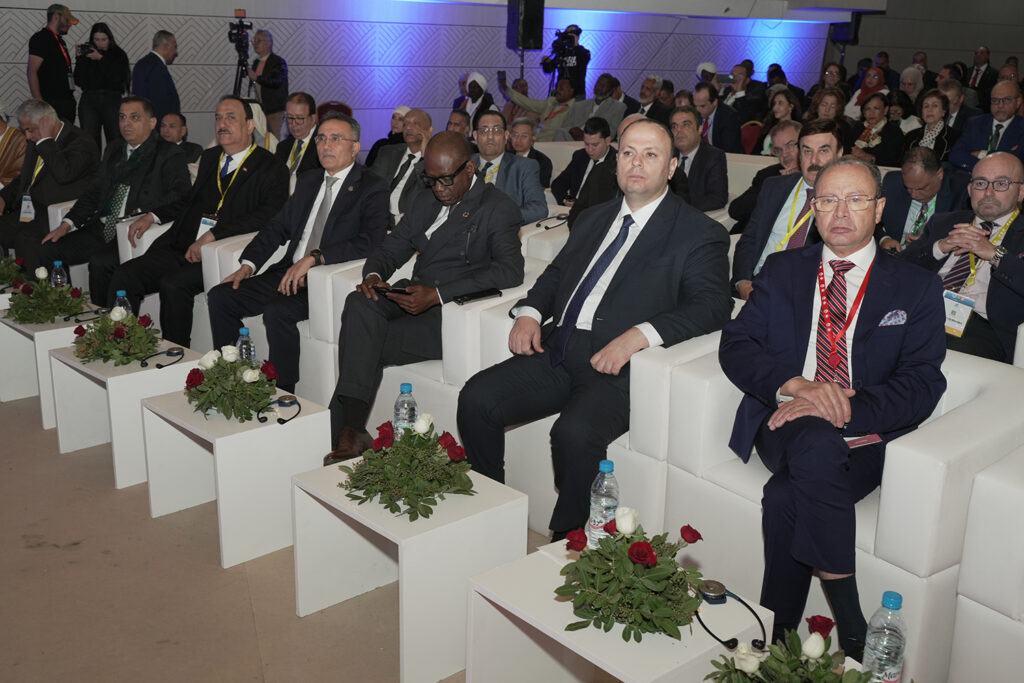
This high-level Summit served as a distinguished platform bringing together Arab and international leaders, decision-makers, and experts from leading global and regional organizations. It witnessed the broad participation of more than 500 participants from over 30 countries. The Summit culminated in the Tunis Declaration marking the twentieth anniversary of the World Summit on the Information Society (WSIS), on the assessment of the WSIS outcomes (WSIS+20), in addition to the issuance of the report “Intelligence Society: Pathway and Roadmap”, which consolidates the outcomes of the AI-Forward Summit 2025 and the transition from an information society to an intelligence society.
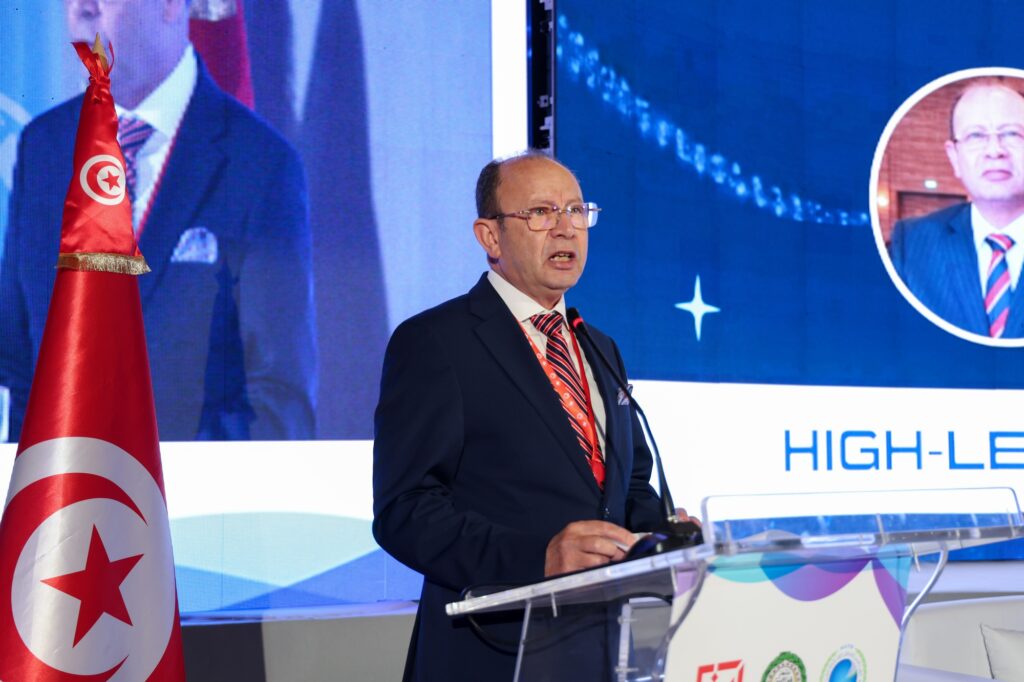
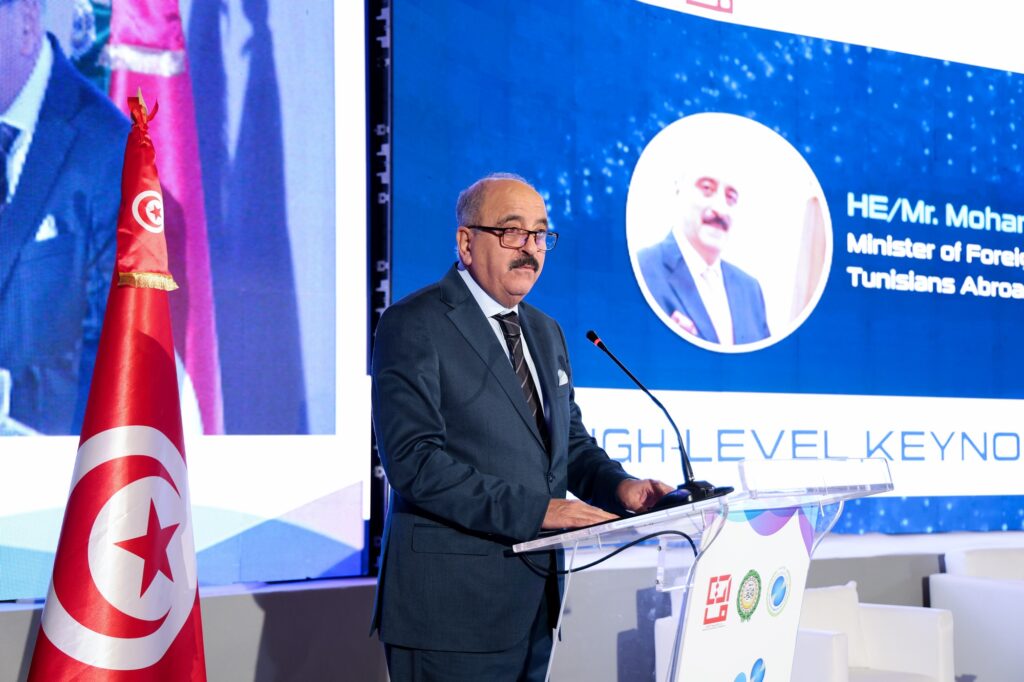
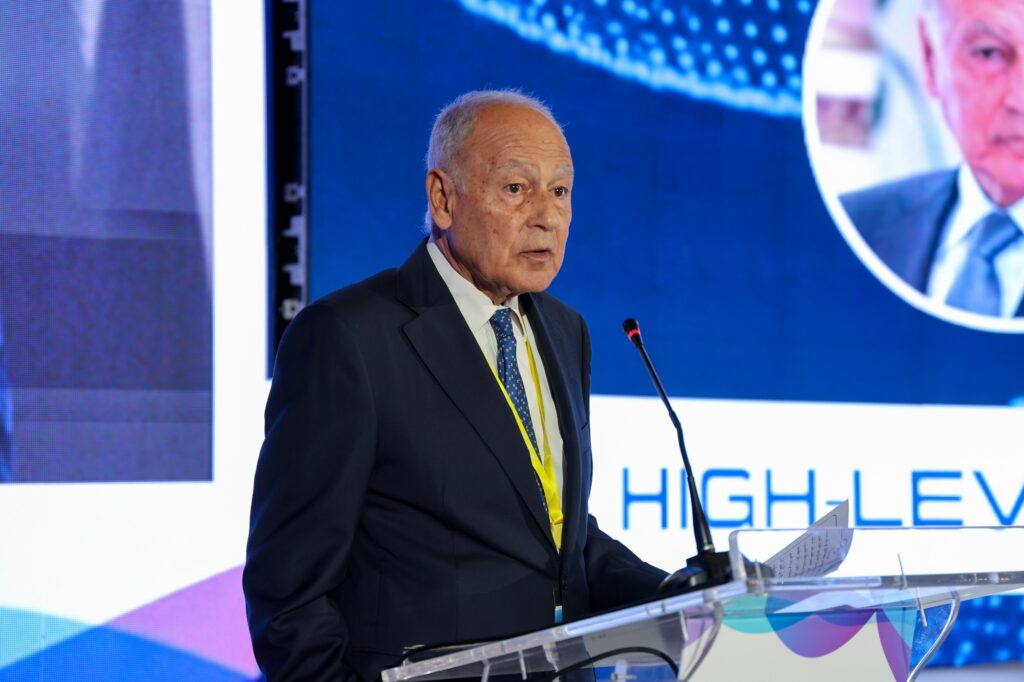
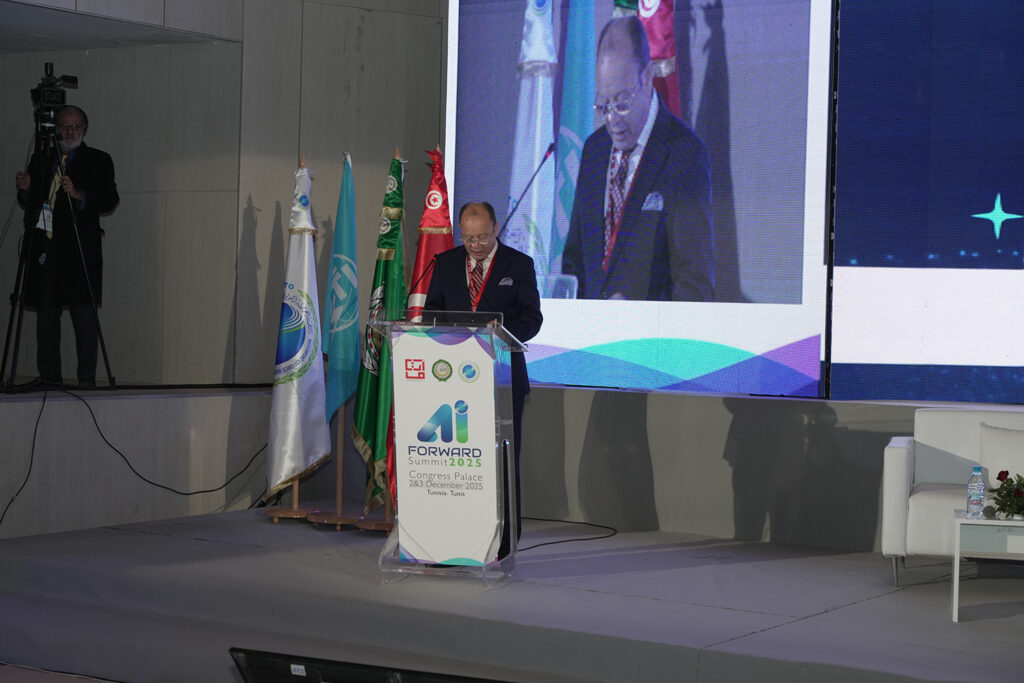
The Summit was opened by His Excellency Eng. Mohamed Ben Amor, Director General of the Arab ICT Organization, with the participation of His Excellency the Minister of Foreign Affairs, Migration and Tunisians Abroad, His Excellency the Minister of Communication Technologies, Her Excellency the Secretary-General of the International Telecommunication Union (ITU), and His Excellency the Secretary-General of the League of Arab States.
The Summit also featured high-level interventions by His Excellency the Minister of Post, Telecommunications and Digital Economy of the Union of the Comoros, His Excellency the Chairman of the General Authority for Telecommunications and Informatics of the State of Libya, and His Excellency the Undersecretary of the Ministry of Telecommunications and Digital Economy of the State of Palestine, in addition to high-level participation from government delegations, experts, representatives of global companies and leading academic institutions.
The high-level opening session was moderated by H.E. Mr. Bocar BA, CEO of SAMENA Council, who delivered the opening remarks and welcomed the Summit’s guests and all participants.
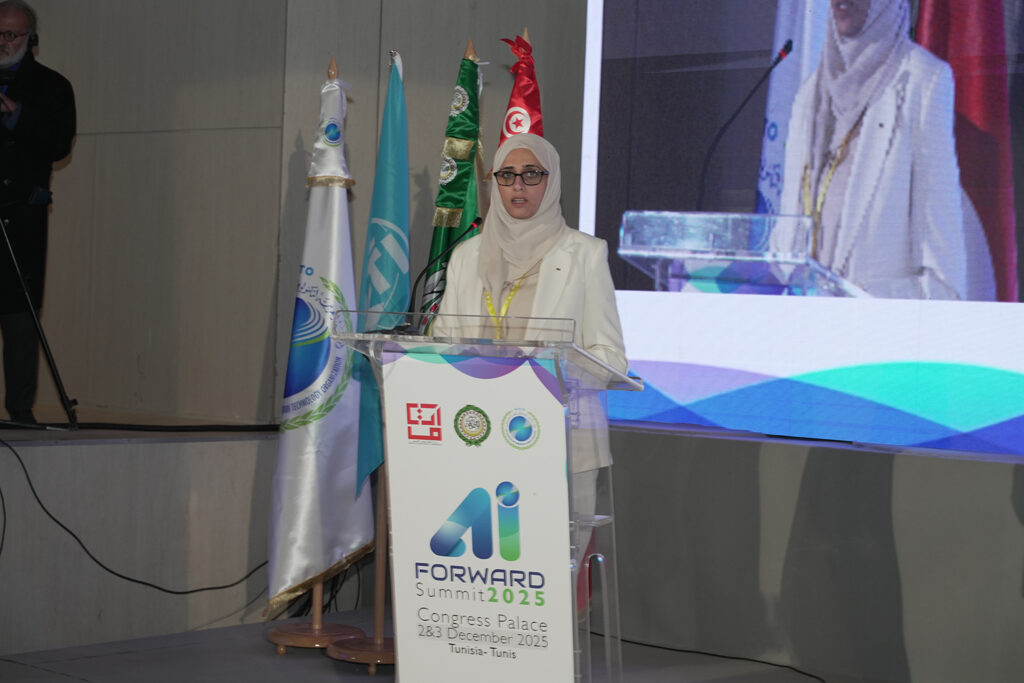
In his opening address, H.E. Eng. Mohamed Ben Amor, Director General of AICTO, emphasized that holding this Summit reflects a strong Arab commitment to unifying efforts and strengthening regional and international cooperation in order to steer the trajectory of artificial intelligence towards inclusive, safe, and ethical development. He stressed the importance of the transition from an information society to an intelligence society, and the pivotal role of the Summit in shaping a unified Arab vision in preparation for the global WSIS+20 review. He expressed his appreciation to the Republic of Tunisia for hosting the event and to the League of Arab States for its continuous support, affirming that the shared ambition is to build an Arab ecosystem capable of producing knowledge, consolidating digital sovereignty and serving sustainable development through genuine partnerships and a long-term strategic vision. He called for the need to unify visions, stimulate cooperation and build a common ground that strengthens the Arab world’s presence in the global artificial intelligence landscape.
In his opening remarks, H.E. Mohamed Ali Nafti, Minister of Foreign Affairs, Migration and Tunisians Abroad, underlined that Tunisia’s hosting of this international event reflects a clear political will to contribute to shaping a responsible global governance framework for artificial intelligence and to enhance the role of technology in supporting inclusive development, particularly in developing countries.
His Excellency noted that Tunisia, while recalling the legacy of the World Summit on the Information Society which it hosted in 2005, looks forward to continuing to play an active role in upcoming international discussions, notably within the framework of the “Global Dialogue on AI Governance” to be held in Geneva in July 2026 to develop a comprehensive international framework regulating artificial intelligence, ensuring its safe, responsible and equitable use and turning it into a driving force for development and humanity.
He stressed that current technological transformations require enhancing multilateral cooperation to ensure that artificial intelligence does not become a new source of the digital divide, but rather a lever for achieving digital justice and sustainable development.
Reaffirming universal human values, the Minister reiterated Tunisia’s firm position in supporting the rights of the Palestinian people, including their right to development and access to technology and knowledge. He underscored that digital justice is an integral part of fundamental rights and that enabling the Palestinian people to access advanced technologies and build their digital capabilities is an essential component of their right to self-determination and restoration of their sovereignty.
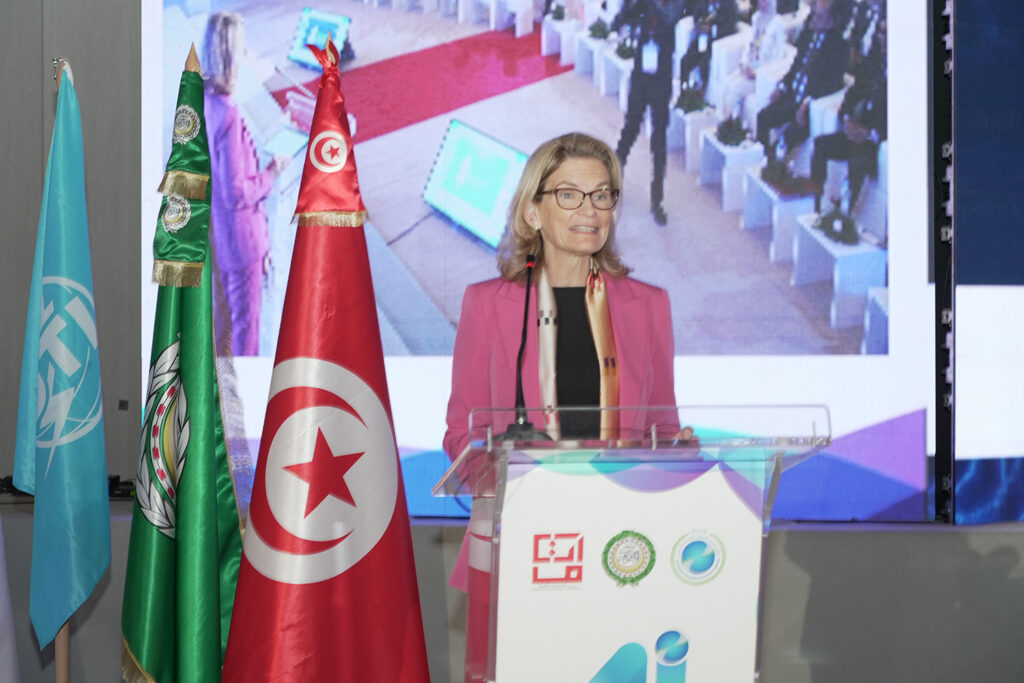
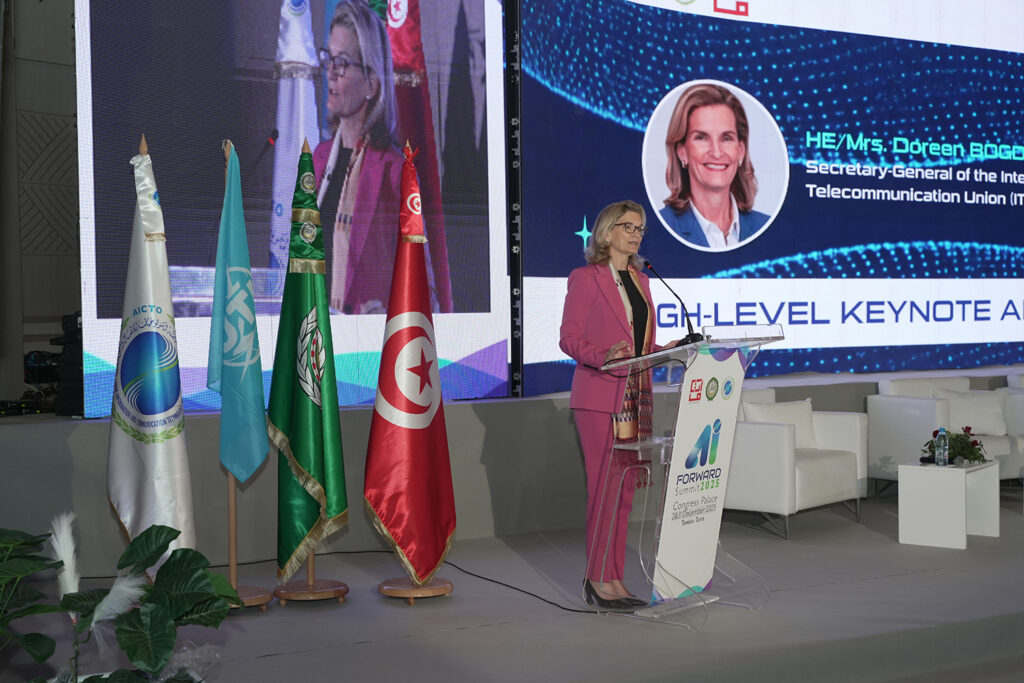
In her address during the high-level opening session, H.E. Ms. Doreen Bogdan-Martin, Secretary-General of the International Telecommunication Union, highlighted the historic role played by Tunisia in the WSIS process. She warned of the widening global artificial intelligence gap, noting that only a limited number of countries currently possess the computing capacities needed to fully harness AI technologies. She stressed that the WSIS framework remains essential in guiding the transition from an information society to an “intelligence society,” and she drew attention to three priority areas: substantial investment in digital infrastructure to ensure universal and affordable connectivity; strengthening capabilities, trust and safety while prioritizing human-centered approaches; and intensifying international and regional cooperation, particularly through the upcoming UN-led global dialogue on AI governance. She concluded by calling for renewed multistakeholder commitment to ensuring that artificial intelligence is inclusive, development-oriented and capable of delivering benefits to all communities worldwide.
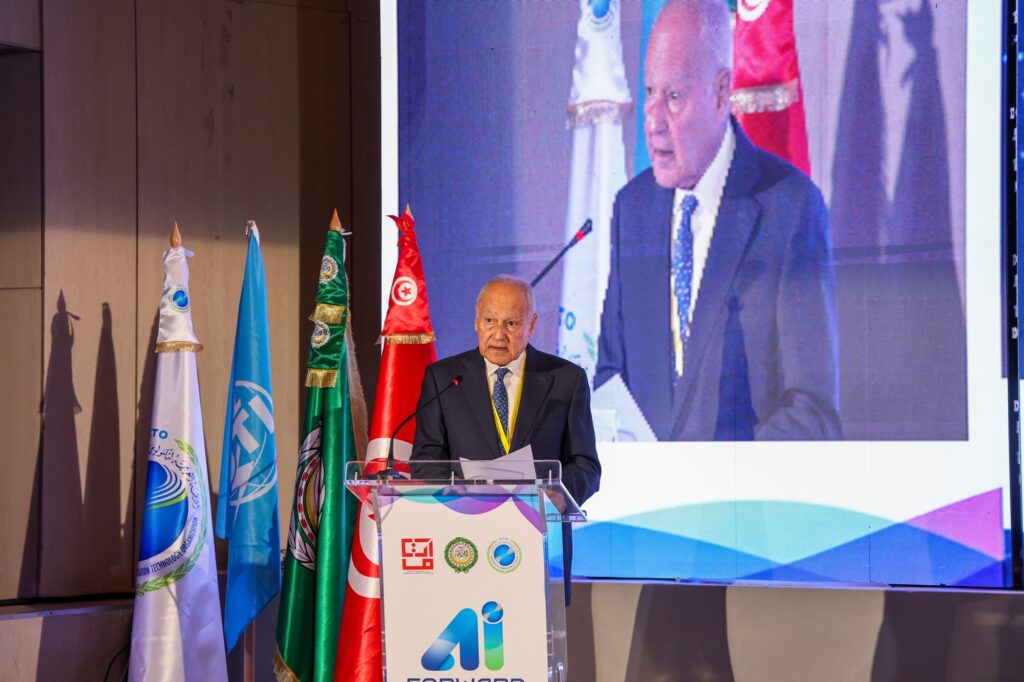
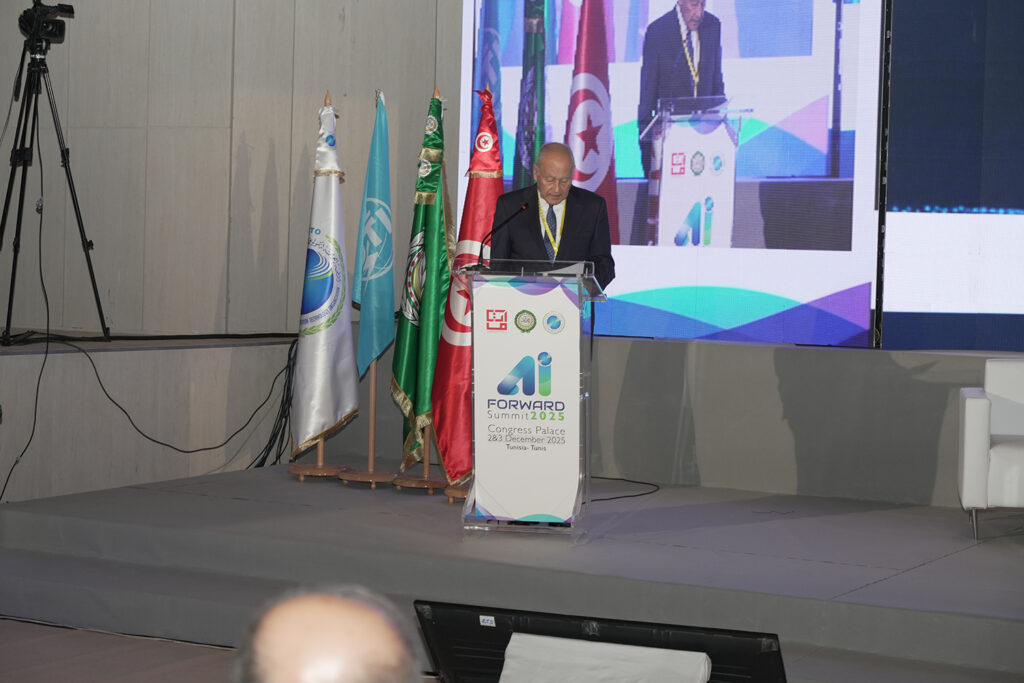
For his part, H.E. Ahmed Aboul Gheit, Secretary-General of the League of Arab States, underlined in his address that artificial intelligence represents a profound transformation that opens broad prospects for sustainable development in education, health and the economy. At the same time, it carries risks related to intense competition among major powers, a widening inequality gap, potential job losses and the misuse of these technologies in military domains. He stressed that technology is a neutral tool whose impact depends on the ethical and legal frameworks established by humans. He noted that Arab countries have a real opportunity to play an active role in this field by investing in digital infrastructure and capacity-building, highlighting the efforts of the League of Arab States through the Arab Artificial Intelligence Strategy, the Arab AI Initiative, and the Arab Charter on AI Ethics. He called for deeper Arab and international partnerships to ensure that the region is not left behind in the emerging global intelligence society.
The Summit’s sessions included key panels on the transition “From Information Society to Intelligence Society”, during which senior leaders and international experts presented strategic visions for the future of artificial intelligence and digital transformation. The WSIS+20 ministerial session reviewed the outcomes of the global WSIS review and its new orientations, and adopted the Tunis Declaration on the transition towards an intelligence society. Panel discussions addressed topics such as AI governance, interoperability and AI ethics, along with presentations of regional success stories in building AI ecosystems and inspiring models of emerging innovations from the region. Keynotes focused on the Arab AI Initiative, the Arab Charter on AI Ethics, and the building of a unified Arab intelligence ecosystem, as well as specialized sessions on responsible AI, cybersecurity in the post-quantum era, digital governance, and the role of innovation and regional partnerships in achieving sustainable development.
The program of events included the main Summit on 2–3 December, the high-level WSIS+20 ministerial session, several workshops on emerging technologies and artificial intelligence on 1 December, and an international exhibition for companies and institutions with a dedicated space for startups, in addition to dialogue sessions on AI policies and ethics.
The Summit’s program placed particular emphasis on innovation and the leadership of youth and women, with the showcasing of advanced startup projects and the honoring of the winners of the Arab AI Hackathon competition. The Summit concluded with the announcement of the Tunis Declaration, marking the twentieth anniversary of the World Summit on the Information Society and the issuance of the report “Intelligence Society: Pathway and Roadmap”, consolidating the outcomes of the AI-Forward Summit 2025 and the transition from an information society to an intelligence society.
The Summit resulted in the adoption of two key reference documents:
- “ Ministerial Outcome Declaration: WSIS+20 Outcomes and Future Directions Towards the “Intelligence Society“ : Results of the World Summit on the Information Society (WSIS+20) and Future Orientations towards an ‘Artificial Intelligence Society’”, adopted during the “AI-Forward Summit 2025”, reaffirming the international commitment to harnessing information and communication technologies, powered by artificial intelligence, in the service of sustainable development and the promotion of global digital justice.
- “Declaration & Roadmap : A unified, Multi-Level Path to coherent & impactful Results”.
It is worth noting that the Summit was held in partnership with several prominent international and regional organizations, including the International Telecommunication Union (ITU), UNESCO, the GSMA, ESCWA, the Council of Europe, the Department of Sustainable Development at the League of Arab States, the Smart Africa Alliance, the Arab Federation for Digital Economy, the Arab Federation for Internet and Telecommunications, and the National Center for Digital Transformation and Artificial Intelligence of the State of Palestine, in addition to several other partner institutions such as Huawei, Tunisie Telecom Group, PwC Tunisie, the World Bank, and the German Development Cooperation Agency, among others.